


Boiler Making Noise? 8 Common Sounds & What They Mean
Boilers

Mo Alwadi
, Gas Safe Registered Engineer
Updated:
Updated:
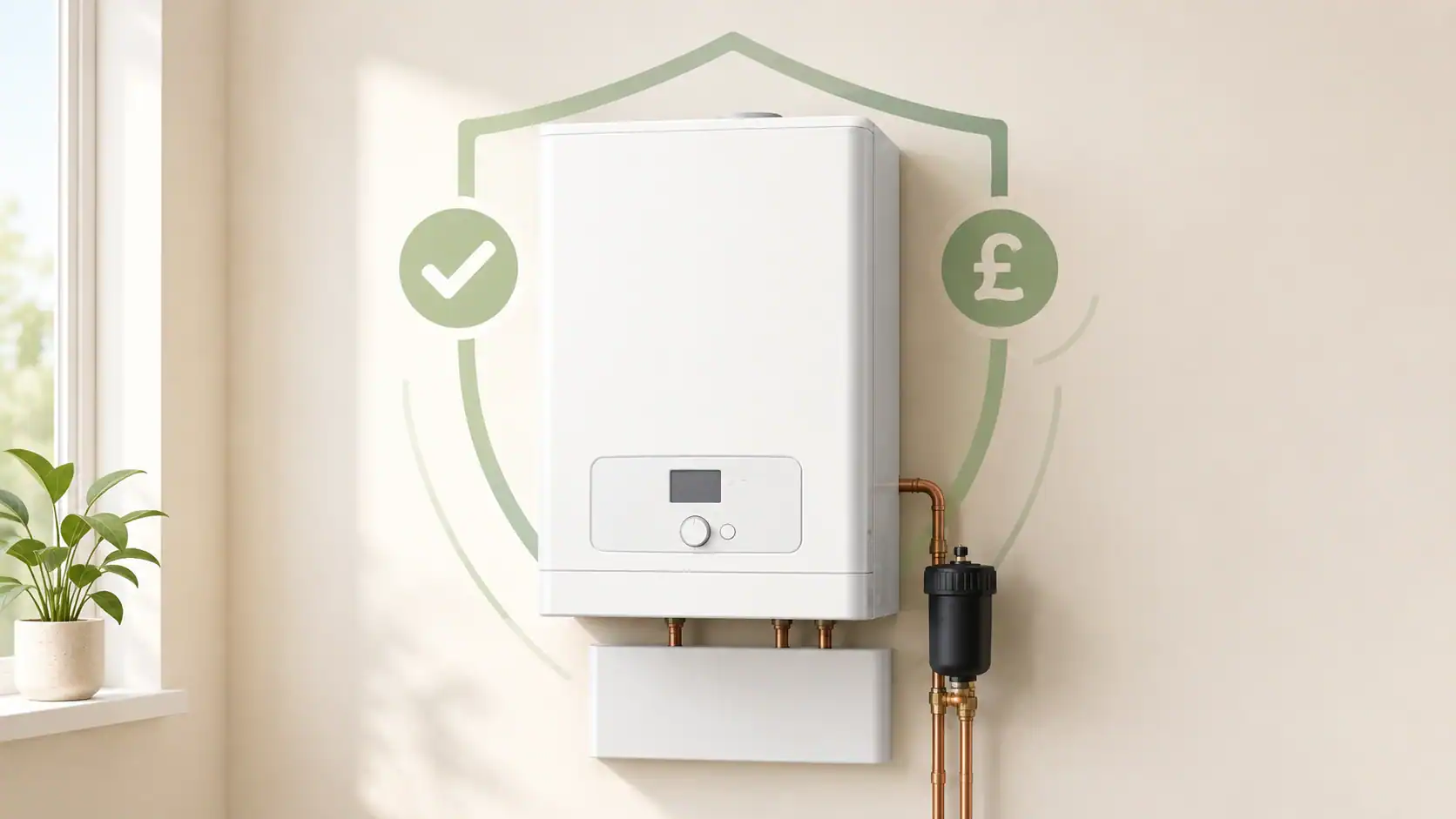
Boiler making noise? Some sounds are part of normal operation, but new banging, whistling, gurgling, humming or vibrating noises can indicate a problem with water flow, pressure, trapped air or an internal boiler component.
The sound alone does not always identify the exact fault. What matters is what the noise sounds like, when it happens and whether the boiler is also losing pressure, locking out or failing to provide heating or hot water.
Before arranging a repair, note a few simple details:
You do not need to remove the boiler casing to investigate the noise. These observations are usually more useful to give an engineer.
A banging or knocking sound can have several causes, including poor circulation, trapped air, debris in the heating system or a problem sometimes described as boiler kettling.
Kettling happens when water inside part of the boiler becomes excessively hot and begins producing steam, creating noises that can sound like banging or a boiling kettle.
Vaillant notes that reduced water flow caused by limescale, pump problems or another fault can contribute to kettling.
If the boiler is repeatedly banging, particularly if the noise is getting worse, arrange professional diagnosis rather than ignoring it.
A high-pitched whistle is another sound often associated with boiler kettling.
The name comes from the boiler sounding similar to a kettle boiling.
Possible causes can include restricted water flow, limescale or another circulation-related problem.
Engineer note: a whistling sound is useful evidence, but it is not enough on its own to tell you which part needs replacing. The heating system and boiler need to be assessed before deciding on a repair.
Heat-exchanger problems can also be associated with kettling-type noises. See our guide to a faulty boiler heat exchanger.
Gurgling can occur when air is moving through water in the heating system.
You may hear the sound from the boiler, radiators or nearby pipework.
Trapped air is one possible cause, but it is not the only one. Worcester Bosch also notes that a blocked condensate pipe can sometimes cause a gurgling sound.
If your radiators are cold at the top, trapped air may be present. Bleeding a radiator can release the air, but remember that this may also reduce boiler pressure slightly.
If the pressure then keeps falling, read our guide to why boiler pressure keeps dropping.
If the gurgling started during freezing weather or the boiler has stopped working, see our guide to boiler condensate pipes.
A quiet hum can be part of normal boiler operation because pumps and fans contain moving components.
A new, unusually loud or persistent humming noise is different.
Possible causes may involve water pressure, pump operation, fan bearings or another moving component.
Because diagnosing these components may require removing the boiler casing, internal investigation should be left to a suitably qualified engineer.
Some boiler faults can create a low vibrating, droning or aeroplane-like sound.
Vaillant notes that a faulty pump is one possible cause of a drone-type boiler noise, although other components can create similar symptoms.
Before booking, try to identify whether the vibration is coming from the boiler itself or from nearby pipework.
Do not hold or move internal boiler components to try to stop the vibration.
A strong whooshing noise can sometimes be related to airflow around the boiler.
Vaillant identifies restrictions around air intake or internal air-flow components as possible causes of this type of sound.
Do not remove covers or internal filters yourself. Anything involving the boiler’s combustion or air-supply system should be checked professionally.
Some light clicking during ignition or as metal components warm up and cool down may be normal.
The important question is whether the noise is new, unusually frequent or accompanied by another problem.
If the boiler repeatedly clicks while trying to start but fails to ignite, then locks out or displays a fault code, there may be an ignition or another internal fault.
If your boiler is also repeatedly shutting down, see our guide to why a boiler keeps turning off.
Some movement of water through a heating system is normal, but a new or unusually loud hissing sound deserves attention.
Check whether you can also see signs of water around accessible pipework, radiator valves or beneath the boiler.
If water is present, see our guide to a boiler leaking water.
Do not remove the boiler casing to search for an internal leak.
Yes. Boilers are not completely silent.
You may hear the burner starting, the pump moving water or normal changes in sound as the appliance heats up and shuts down.
What deserves more attention is a new sound, a much louder sound or a noise accompanied by another symptom such as:
Not every boiler noise means the appliance is immediately dangerous. Modern boilers include safety controls designed to shut the appliance down when certain faults are detected.
However, unusual noises should not simply be ignored, particularly where the sound is new, getting worse or happening alongside other boiler problems.
Vaillant recommends having unusual boiler noises investigated by a qualified engineer rather than attempting internal repairs yourself.
There are a few normal homeowner checks you can make without opening the appliance.
You can:
You should not remove the boiler casing or attempt to repair the pump, fan, heat exchanger, combustion system or other internal components.
If the noise continues, arrange professional boiler fault diagnosis and repair.
A boiler can continue operating while a developing problem is present.
For example, restricted circulation, trapped air or a worn moving component may initially create noise without immediately stopping the appliance.
This is why “the boiler still works” does not necessarily mean a new unusual noise should be ignored.
First check whether the boiler is genuinely inactive.
A combi boiler may still operate for hot-water demand even when central heating is switched off. Some systems may also run a pump briefly after the burner has stopped.
If a loud or unusual noise continues for an extended period with no heating or hot-water demand, make a note of the sound and arrange diagnosis if it persists.
Gurgling from both the boiler and radiators can be consistent with air moving through the heating system.
If radiators are cold at the top, bleeding them may help remove trapped air.
After bleeding radiators, check the boiler pressure because releasing air can reduce system pressure.
If the pressure then continues falling, the system may have another fault that needs investigating.
Not necessarily.
A strange noise on its own does not mean you need a new boiler.
The decision depends on the actual fault, boiler condition, age, repair cost and parts availability.
The sensible first step is usually diagnosis rather than assuming the boiler needs replacing.
Arrange an engineer if:
If you’re in Cardiff and your boiler has started banging, whistling, gurgling or making another unusual noise, visit our dedicated Boiler Repair in Cardiff page.
When booking, tell us what the noise sounds like, when it occurs, your boiler make and model and whether there is a fault code or pressure problem.
Banging can be associated with kettling, circulation problems, trapped air or debris in the heating system. The exact cause needs to be diagnosed.
A kettle-like whistle can be associated with boiler kettling, where water flow is restricted and water becomes excessively hot.
Trapped air is one possible cause. A blocked condensate pipe can also produce gurgling on some boilers, especially during cold weather.
A new loud hum can be related to water pressure, pump operation, fan components or another internal issue. Internal diagnosis should be carried out by a qualified engineer.
If the boiler is making a severe or rapidly worsening noise, is leaking, repeatedly locking out or otherwise appears unsafe, switch it off using the normal controls if you can do so safely and arrange professional advice.
Let’s Heat can investigate unusual boiler noises, pressure problems, leaks, lockouts and loss of heating or hot water.
You don’t need to identify the failed component yourself.
This guide has been checked against current homeowner guidance from Vaillant and Worcester Bosch.
Mo Alwadi is Renewable Manager at Let’s Heat and a Gas Safe registered engineer (registration no. 977042), with experience in domestic heating and air conditioning. He contributes technical guidance on boiler installation, boiler replacement, heating systems, air conditioning and home energy solutions, helping UK homeowners understand their options and make informed decisions.
View all posts by Mo Alwadi →