


Faulty Boiler Heat Exchanger? Signs, Causes & Repair
Boilers

Mo Alwadi
, Gas Safe Registered Engineer
Updated:
Updated:
Faulty boiler heat exchanger? Possible signs include unusual banging or whistling noises, water leaking from the boiler, repeated overheating problems or loss of heating and hot water.
However, these symptoms do not automatically mean the heat exchanger has failed. Boiler leaks, noises and lockouts can have several causes, so the appliance should be properly diagnosed before an expensive component is replaced.
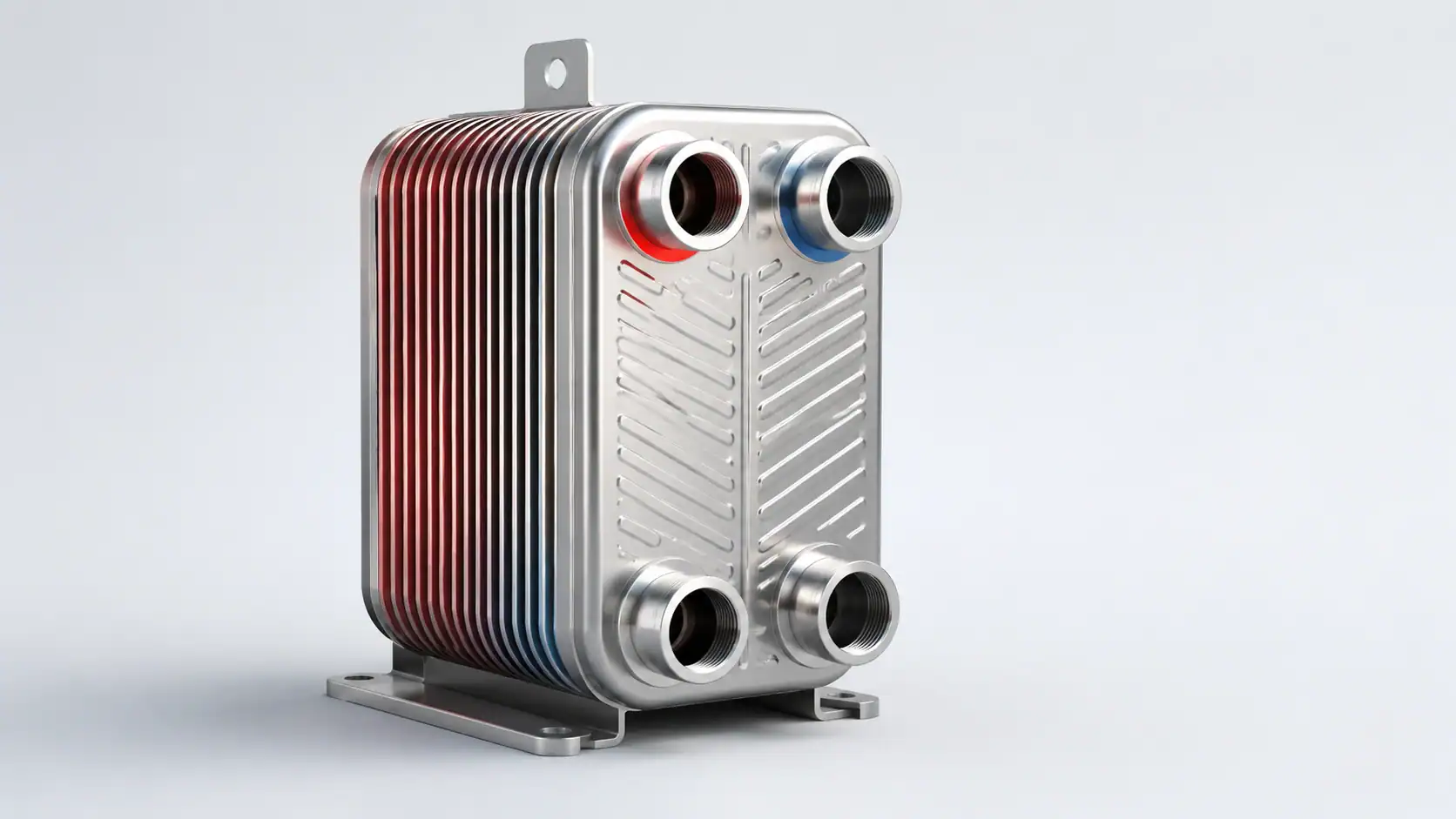
The heat exchanger is one of the main components inside a boiler.
Its job is to transfer heat produced by the burner into the water circulating through your heating system.
On a combi boiler, the appliance may use more than one heat exchanger as part of providing both central heating and domestic hot water.
If the heat exchanger becomes badly blocked, damaged or starts leaking, the boiler may no longer be able to transfer heat correctly.
Some of the symptoms that may point towards a heat-exchanger problem include:
These are diagnostic clues rather than proof that the heat exchanger itself is faulty.
A boiler that sounds like a kettle, bangs or whistles may have a problem with water flow through the heat exchanger.
Restricted flow can allow water in part of the appliance to become excessively hot, producing what is commonly called kettling.
Possible contributors can include:
The sound itself does not prove that the heat exchanger needs replacing.
If unusual noise is your main symptom, see:
Boiler Making Noise? Common Sounds & What They Mean
A damaged or leaking heat exchanger is one possible reason water may appear beneath a boiler.
However, boilers contain many seals, joints, valves and other water-carrying components that can also leak.
Important diagnostic point: seeing water underneath a boiler does not mean you can identify the failed component from the drip location alone.
Water can travel across internal components before becoming visible underneath the appliance.
If your main problem is a leak, see our detailed guide:
Boiler Leaking Water? Causes & What to Do
A heat-transfer or circulation problem can sometimes cause boiler temperatures to rise too quickly.
Modern boilers monitor internal temperatures and may stop operating if they detect an abnormal condition.
Possible causes of overheating or temperature-related faults can include:
For this reason, an overheating fault code should not automatically be treated as proof that the heat exchanger needs replacing.
If the boiler repeatedly shuts down, see:
Boiler Keeps Turning Off? Common Causes & What to Do
Black or heavily discoloured heating-system water can indicate corrosion and sludge within the system.
That contamination can circulate through the boiler and restrict narrow water passages.
Over time, poor system-water condition can contribute to circulation and heat-transfer problems.
This does not necessarily mean the heat exchanger is already damaged, but it is something an engineer may consider when diagnosing repeated boiler problems.
Because the heat exchanger is responsible for transferring heat into the system water, a serious problem can affect the boiler’s ability to provide heating or hot water correctly.
Possible symptoms include:
Again, several other faults can produce the same symptoms, including pumps, sensors, valves and controls.
A heat exchanger can develop problems for several reasons.
These may include:
The cause matters because not every heat-exchanger problem requires the same repair.
Boiler kettling is the name commonly given to a banging, rumbling or kettle-like noise caused by water becoming excessively hot inside part of the boiler.
Restricted water flow is one possible reason.
Limescale or system contamination can sometimes reduce heat transfer or restrict water movement, particularly in areas with harder water or heating systems containing significant debris.
Kettling should be investigated rather than simply treated as normal boiler noise.
Sometimes the problem involves contamination or deposits rather than physical damage to the heat exchanger.
Depending on the boiler and the condition of the component, professional cleaning or system treatment may be appropriate.
However, this is not a DIY boiler-cleaning job.
The heat exchanger is located inside the appliance, and removing or cleaning internal boiler components should be left to a suitably qualified engineer.
The engineer should first establish whether the problem is actually contamination, a circulation issue or physical damage.
If the heat exchanger itself is physically damaged or leaking, replacement of the affected component may be required.
The correct decision depends on:
A leaking boiler should therefore be properly inspected before deciding which component needs replacing.
There is no single accurate price for every heat-exchanger replacement.
The cost varies according to:
Heat exchangers can be significant boiler components, so proper diagnosis is particularly important before approving replacement.
We would rather diagnose the actual fault and price the correct repair than publish one figure that does not apply to every boiler.
Sometimes it is. Sometimes replacing the boiler becomes the more sensible comparison.
A heat-exchanger replacement may make sense if:
It becomes worth comparing a new boiler if:
If you are comparing the two options, see:
No, not automatically.
The correct decision depends on the fault and the overall condition of the appliance.
A relatively recent boiler with one isolated heat-exchanger problem may still be worth repairing.
An older appliance with a major heat-exchanger fault plus several other problems may justify comparing the repair cost with replacement.
Diagnosis should come before that decision.
You can observe the boiler’s symptoms, but you should not remove the boiler casing to inspect the heat exchanger.
Useful information you can safely collect includes:
Give this information to the engineer rather than dismantling the appliance yourself.
If a water-carrying component inside the boiler is leaking, system pressure may fall as water is lost.
However, repeated pressure loss can also come from radiator valves, heating pipework, the pressure-relief system or other parts of the boiler.
If pressure is your main symptom, see:
Why Does My Boiler Pressure Keep Dropping?
Heat-exchanger contamination or restricted water flow can be associated with kettling, banging or high-pitched whistling sounds.
But not every noisy boiler has a heat-exchanger fault.
Pumps, trapped air, pipework, pressure and other components can also create unusual noises.
Arrange professional diagnosis if:
For general boiler fault diagnosis, visit:
If you’re in Cardiff and your boiler is leaking, kettling, overheating or has a suspected heat-exchanger fault, visit:
When booking, it helps to tell us:
Possible signs include leaking water, kettling or whistling noises, repeated overheating, poor heating performance and temperature-related faults. These symptoms can have other causes, so diagnosis is needed.
Yes. A physically damaged or leaking heat exchanger can allow water to escape, although seals, joints and other internal boiler components can also leak.
Restricted water flow or deposits affecting heat transfer can contribute to kettling, which may sound like banging, rumbling or a boiling kettle.
In some cases an engineer may be able to clean deposits or address contamination affecting the heat exchanger. Physical damage or a leak may instead require component replacement.
It can be a significant repair, but the actual cost depends on the boiler model, component required, parts availability and labour. Confirming the diagnosis first is important.
That depends on the boiler’s age, overall condition, repair history, parts availability and the cost of the confirmed repair. A heat-exchanger fault alone does not automatically mean the boiler needs replacing.
Let’s Heat can diagnose boiler leaks, kettling noises, overheating, pressure problems and suspected heat-exchanger faults.
You do not need to identify the failed component yourself before booking.
This guide has been checked against current homeowner boiler guidance from Vaillant and Worcester Bosch.
Vaillant – What Is a Boiler Heat Exchanger?
Mo Alwadi is Renewable Manager at Let’s Heat and a Gas Safe registered engineer (registration no. 977042), with experience in domestic heating and air conditioning. He contributes technical guidance on boiler installation, boiler replacement, heating systems, air conditioning and home energy solutions, helping UK homeowners understand their options and make informed decisions.
View all posts by Mo Alwadi →