
Emergency Boiler Repair
Boiler completely stopped, leaking, repeatedly locking out or leaving you without heating or hot water? Let’s Heat provides urgent boiler fault diagnosis and repair with Gas Safe registered engineers. Check appointment availability when booking.





Annual Boiler Service
Stay on top of annual servicing. Regular servicing can help meet manufacturer servicing requirements and keep your boiler properly maintained.
Boiler Repair
No heating, no hot water, or a boiler fault code? We’ll diagnose the problem and explain the repair options clearly.
Loved by homeowners
Don't just take our word for it
Real feedback from customers who have used Let’s Heat for heating and cooling services.

Boiler support for every stage
Get help with a boiler fault
Arrange professional fault diagnosis when your boiler stops working properly or your heating and hot water are affected.



Gas Safe registered engineers
Boiler installation, servicing and repairs carried out by Gas Safe registered engineers.
Warranty and aftercare
Clear handover, warranty information and support after your new boiler installation.
Flexible boiler finance
Spread the cost of your new boiler with available finance options, subject to status and lender approval.
Rated by our customers
Read verified customer feedback across our independent review platforms.
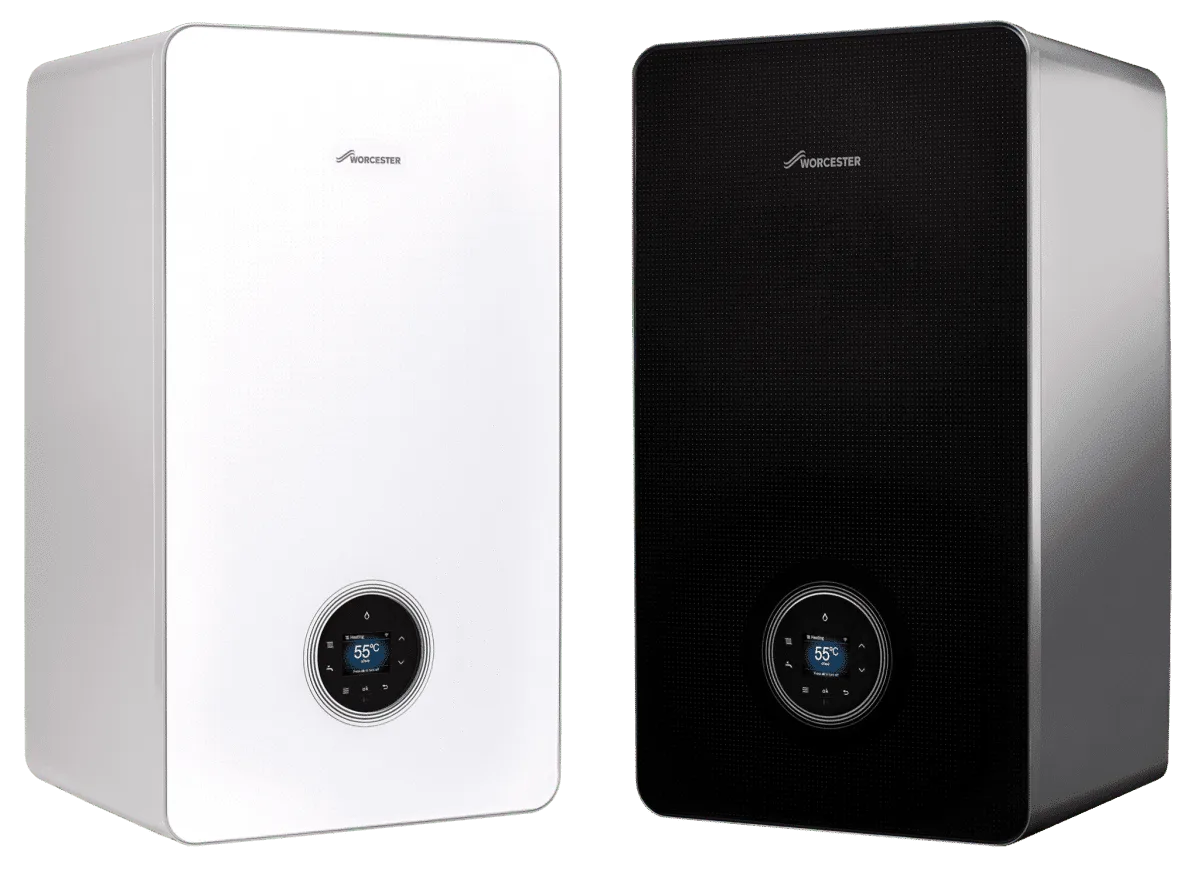
Is it time to replace your old boiler?
Explore modern boiler options for your home and get straightforward guidance on boiler type, size, controls and installation.
Worcester Bosch
Vaillant
Baxi
Ideal
Viessmann
Boiler Repairs Across South Wales & Bristol
Let’s Heat provides boiler repairs and fault diagnosis across Cardiff, Newport, Bristol and surrounding South Wales and South West areas. Check availability for your postcode when booking.
How to Report an Issue
If you have a problem with your boiler, heating, gas or air conditioning, you can report the issue using one of the options below.
Call Us
Speak to our team about the issue and tell us what is happening. We can then advise you on the next step or arrange an appointment where appropriate.
Email Us
Send us details of the issue, including any fault codes or useful information about the appliance or system.
Report an Issue Online
Complete our online form with a few details about the problem, your property and the service you need.
Boiler help & advice
Expert guides and advice to help you make informed decisions.
-

Boiler Pressure Too High? Causes & What to Do
Boiler pressure too high? A small increase in pressure when your heating is running is normal, but if the gauge keeps climbing or remains unusually high when the system is cold, it could indicate a problem.High boiler pressure can happen if the heating system has been overfilled, a filling loop has not been fully closed, or a component such as the expansion vessel is not working correctly.If your boiler pressure is too high, it is important to understand what is causing the increase before attempting to reduce it. In this guide, we explain the common causes of high boiler pressure, what happens if the pressure gets too high, how to recognise a potential fault and what you should do next. Quick Answer: If your boiler pressure is too high (approaching 2.5 or 3 bar), the most common causes are an overfilled system, an open filling loop, or a faulty expansion vessel. First, check that your filling loop is fully closed. If the pressure keeps rising, contact a Gas Safe engineer. What Should Boiler Pressure Normally Be? Many sealed domestic heating systems operate at around 1 to 1.5 bar when cold. The pressure normally rises somewhat when the heating is running because the water expands as it gets hotter.The exact recommended range depends on your boiler model, so always check the manufacturer's instructions or the markings on your pressure gauge.For a fuller explanation of normal pressure levels, see our guide:Normal Boiler Pressure & Pressure Adjustment Boiler Pressure Too High: 4 Common Reasons There are several reasons why boiler pressure may become too high. The most common include overfilling the system, a filling loop problem and a faulty expansion vessel. 1. The Boiler Was Overfilled One of the simplest causes of high boiler pressure is adding too much water when repressurising the heating system.If you recently used the filling loop and the pressure increased immediately afterwards, accidental overfilling is a likely explanation.A common mistake is leaving the filling valves open for too long or continuing to fill the system after the recommended pressure has been reached.If the pressure was normal before repressurising and became high straight afterwards, overfilling is more likely than a sudden boiler component failure. 2. The Filling Loop Is Not Fully Closed The filling loop allows mains water into a sealed heating system when the system needs repressurising.Once the correct pressure has been reached, the filling controls should be returned to their normal closed position.If a filling valve is not fully closed, or the filling device allows water through when it should not, pressure can gradually continue to rise.Vaillant lists a faulty external filling device as one possible reason for continuously increasing boiler pressure.If you are unsure what a filling loop looks like or how it works, see our detailed guide:Boiler Filling Loop & Valve Guide 3. Expansion Vessel Problem The expansion vessel helps manage the increase in water volume as the heating system warms up.Water expands when heated. In a sealed heating system, the expansion vessel provides space for this change while helping to keep system pressure under control.If the expansion vessel is not working correctly, you may notice a pattern such as:Normal pressure when the heating is cold. A large pressure increase once the radiators become hot. Pressure moving towards the upper end of the gauge. Water being discharged through the pressure-relief system. Pressure becoming low again once the system cools.Worcester Bosch advises that if pressure rises by more than around 1 bar as the system heats up, the expansion vessel may require attention from a service engineer.The expansion vessel is an internal boiler or heating-system component, so this is not a homeowner repair. 4. Another Boiler or Pressure-Control Fault If the system has not recently been overfilled and the filling loop is correctly closed, persistent high pressure may require professional diagnosis.An engineer may need to check the expansion vessel, filling arrangement, pressure-relief system and other components involved in controlling system pressure.Remember: high boiler pressure is a symptom, not a diagnosis. The pressure reading tells you something is happening, but it does not automatically identify which component has failed. Why Does Boiler Pressure Rise When the Heating Is On? A pressure increase while the heating warms up is normal.As the water in the heating system becomes hotter, it expands. This causes the pressure reading to rise.The important question is how much it rises.For example, a system that moves from around 1.2 bar when cold to a moderately higher reading when hot may simply be operating normally.However, if the pressure climbs dramatically towards the maximum range every time the heating runs, it may indicate an expansion vessel or another pressure-control problem. What Happens If Boiler Pressure Is Too High? If the pressure in a boiler becomes excessively high, the heating system's safety controls are designed to prevent it from continuing to rise unchecked.One of these safety components is the pressure relief valve (PRV).If the pressure reaches an excessive level, the PRV can release water from the system through a discharge pipe to help protect the boiler.You may then notice:Water dripping from an external discharge pipe. Boiler pressure becoming low after the heating cools. Repeated pressure changes between high and low. Water around the boiler or heating system. The boiler displaying a fault or stopping operation.A high pressure reading does not automatically mean the boiler is about to fail. However, persistent excessive pressure or repeated water discharge should not be ignored.If you have water leaking from the appliance, see our guide:Boiler Leaking Water? Causes & What to Do Can High Boiler Pressure Cause a Leak? Yes. Excessive boiler pressure can cause the pressure-relief system to discharge water. It can also place additional strain on seals, joints and other heating-system components.If your boiler pressure is too high and you notice a leak, the pressure problem may be contributing to the water loss.However, a leaking boiler should not automatically be blamed on high pressure. There are several possible causes of boiler leaks, including damaged seals, loose connections and faulty components.If both high pressure and a leak are present, tell the engineer about both symptoms so they can investigate the underlying cause. What to Do If Your Boiler Pressure is Too High If your boiler pressure is too high, the correct action depends on why it has increased.Follow these steps:Check the pressure gauge: Note the current reading and whether the heating is on or off. Allow the system to cool: Pressure normally falls as the heating water cools, so check the reading again once the system is cool. Consider recent repressurising: If the pressure increased immediately after topping up the system, it may have been overfilled. Check the filling controls: If you can safely access them, make sure the filling loop controls are returned to their normal closed position, following the manufacturer's instructions. Arrange an engineer's inspection: If pressure continues to rise, remains unusually high or repeatedly fluctuates, the system needs professional diagnosis.If the system was accidentally overfilled, manufacturer guidance may allow you to reduce the pressure by bleeding a radiator.Only do this when the heating system has cooled, you are comfortable carrying out the procedure and the manufacturer's instructions allow it. Monitor the pressure gauge carefully.Do not remove the boiler casing or attempt to adjust the expansion vessel, pressure-relief valve or other internal components.If the pressure rises again after you reduce it, the underlying cause needs investigating. Why Does My Boiler Pressure Keep Going From High to Low? This pattern can provide useful clues when diagnosing a heating-system problem.For example:The boiler starts at normal pressure when cold. The pressure rises substantially as the heating gets hot. Water is released through the pressure-relief system. The heating cools. The boiler is then left with low pressure.An expansion vessel or pressure-control problem may need investigating if you see this repeated pattern.If your main problem is pressure continually falling, see our guide:Why Does My Boiler Pressure Keep Dropping? Is High Boiler Pressure Dangerous? A sealed boiler system is designed with pressure controls and safety devices, so a high reading does not automatically mean the boiler is dangerous.However, persistently excessive pressure should not be ignored.If the pressure remains high after the boiler has cooled, continually rises by itself or repeatedly causes water to discharge, arrange professional diagnosis. Should I Switch the Boiler Off? If the pressure is only slightly above its normal cold range after accidentally overfilling the system, check your manufacturer's instructions for the appropriate action.If the gauge is unusually high, continues rising, the boiler is leaking or you are unsure whether the system is safe to operate, switch the appliance off using its normal controls if you can do so safely and obtain professional advice.Do not attempt to release pressure by adjusting internal boiler components. Why Is My Boiler Pressure High Even When It Is Cold? If the system has completely cooled but the pressure remains significantly above the recommended cold range, normal thermal expansion is unlikely to explain it.Check whether the system was recently topped up and whether the filling controls are completely closed.If the pressure continues increasing without you adding water, the filling device or another system fault may need investigating by a qualified heating engineer. Why Is My Combi Boiler Pressure Too High? A combi boiler can experience a normal pressure increase when the central heating is running because the water expands as it gets hotter.However, if the pressure rises excessively, remains high when the system is cold or repeatedly reaches the upper end of the gauge, there may be a problem with the filling loop, expansion vessel or pressure-relief system.The same basic checks apply to combi boilers and other sealed domestic heating systems. If the pressure keeps rising, arrange a professional inspection rather than repeatedly trying to reduce it. When Should I Call a Boiler Engineer? Arrange professional diagnosis if:Pressure keeps increasing without you adding water. Pressure rises dramatically whenever the heating runs. Pressure stays unusually high after the system cools. Water is coming from the pressure-relief discharge pipe. Pressure repeatedly goes from high to low. The boiler is leaking. The boiler locks out because of pressure. Reducing the pressure does not solve the problem.For professional fault diagnosis, visit:Boiler Repairs High Boiler Pressure in Cardiff? If you're in Cardiff and your boiler pressure keeps rising, water is being discharged or the system repeatedly goes from high to low pressure, visit:Boiler Repair in CardiffWhen booking, tell us:Your boiler make and model. The pressure when the system is cold. The highest pressure reached when the heating is running. Whether the system was recently repressurised. Whether water is dripping from an outside discharge pipe. Whether the pressure later falls again.Quick Questions About High Boiler Pressure Is 2 bar too high for a boiler? Not always. While 1 to 1.5 bar is normal when cold, it naturally rises when the heating is on and can safely reach 2 bar. However, if it stays at 2 bar when cold, it is too high.Is 3 bar too high for a boiler? Yes, 3 bar is too high for most domestic boilers and is usually the maximum "red zone" limit. If your gauge reaches 3 bar, the pressure relief valve (PRV) will likely discharge water to protect the system.Why does my boiler pressure rise to 3 bar when the heating is on? A large pressure increase when the system heats up may indicate an expansion vessel or pressure-control problem. A qualified engineer can check the cause.Can an open filling loop cause high pressure? Yes. If a filling control is not fully closed, water can continue entering the heating system and cause the pressure to rise.Can bleeding a radiator reduce boiler pressure? Yes. Releasing a small amount of water from a radiator can reduce system pressure. Only do this when the system is cool and follow the manufacturer's instructions.Why is my boiler pressure high one day and low the next? A large pressure rise when hot followed by low pressure after cooling may indicate an expansion vessel or pressure-relief problem. If this keeps happening, arrange an inspection.What should I do if my boiler pressure is too high? First, check the pressure when the system is cool and make sure the filling controls are closed. If the pressure remains high or keeps rising, do not attempt internal repairs; contact a qualified heating engineer.Need Help With High Boiler Pressure? Let’s Heat can diagnose high boiler pressure, repeated pressure changes, leaks and pressure-related boiler lockouts.You do not need to know which component is causing the problem before booking.Book Boiler Repair → Sources Checked This guide has been checked against current homeowner heating guidance from Vaillant and Worcester Bosch.Vaillant – What Pressure Should My Boiler Be?Worcester Bosch – Boiler Pressure Guidance
-

What Is Normal Boiler Pressure? (1 to 1.5 Bar)
Maintaining the normal boiler pressure is essential for keeping your central heating system working efficiently and safely. If the pressure is too low, your boiler may struggle to heat your home or stop working altogether. If it is too high, it could indicate a problem with the heating system that needs attention.But what is normal boiler pressure, and should it change when your heating is switched on?In this guide, we explain the correct boiler pressure, why it can rise or drop, how to recognise potential problems, and when you should contact a qualified heating engineer. Quick Answer: The normal boiler pressure for most UK homes is between 1 and 1.5 bar when the heating is cold. It is completely normal for this to rise slightly when the heating is switched on. Understanding Boiler Pressure Boiler pressure refers to the pressure of the water circulating through your central heating system. It is measured in bar and displayed on the pressure gauge, which is usually found on the front or underneath your boiler.The correct pressure allows water to circulate properly through your radiators and heating system. If the pressure falls too low or rises too high, your boiler may display a fault code or stop operating.Most modern domestic boilers have a recommended pressure range shown in the manufacturer's instructions. Always check your boiler manual if you are unsure about the correct level for your model. What Is the Normal Boiler Pressure? (The 1 to 1.5 Bar Rule) For most domestic boilers in the UK, the normal boiler pressure when the system is cold is usually between 1 and 1.5 bar.Boiler State Normal Pressure Reading What it MeansSystem Cold (Off) 1.0 to 1.5 bar System is correctly pressurised and ready.System Heating (On) Slight rise (up to 2.0 bar) Normal expansion of heated water.Below 1.0 bar Less than 1.0 bar Low pressure. System may need repressurising.Above 2.5 bar Approaching red zone High pressure. Call a heating engineer.When your central heating is switched on, the water heats up and expands. This can cause the pressure to rise slightly, which is a normal part of how a sealed heating system works.The exact operating pressure varies between boiler models, so always follow the manufacturer's guidance. Should Boiler Pressure Rise When Heating Is On? When your heating is running, the water inside the system becomes hotter and expands. As a result, the boiler pressure will normally increase.A small rise is expected. However, if the pressure increases significantly — particularly by around 1 bar or more — it could indicate a problem with the expansion vessel or another component.If you notice a large or repeated increase in pressure, it is best to have the boiler checked by a qualified heating engineer. Boiler Pressure When Heating Is Off When your heating is switched off and the water cools down, the pressure usually falls slightly.For most domestic boilers, a cold pressure reading of around 1 to 1.5 bar is generally recommended.If the pressure is consistently below the recommended range, your boiler may need repressurising. However, if it keeps dropping after you have topped it up, there may be an underlying issue that needs investigating. Why Does Boiler Pressure Rise When the Heating Is On? It is normal for boiler pressure to rise when the heating is switched on because water expands as it gets hotter.Your boiler's expansion vessel is designed to accommodate this expansion and help maintain stable pressure throughout the heating system.However, a larger-than-usual pressure increase may indicate:A faulty expansion vessel: The vessel may not be able to accommodate the expanding water properly. A problem with the pressure relief valve (PRV): A faulty valve may allow water to escape from the system. An issue with the heating system: Other faults may affect how the system maintains pressure.If your boiler pressure rises sharply or approaches the maximum level shown on the gauge, contact a qualified heating engineer rather than attempting to adjust internal components yourself.For more information, read our guide to the causes of high boiler pressure and how to fix them. Is It Normal for Boiler Pressure to Drop? Yes, a small change in boiler pressure can be normal, particularly when the heating system cools down after use.However, it is not normal for boiler pressure to keep dropping or to require frequent topping up. Repeated pressure loss may indicate that water is escaping from the heating system or that a component is not working correctly.Common reasons include:A leak in the heating system: Water may escape from radiator valves, pipe joints or hidden pipework. A faulty pressure relief valve: The valve may be allowing water to escape through the discharge pipe. An expansion vessel problem: A faulty or incorrectly charged expansion vessel can contribute to pressure fluctuations. Recent radiator bleeding: Releasing trapped air from radiators can cause the system pressure to fall.If you notice a drop in pressure, check for visible signs of water around radiators, valves and accessible pipework. Do not remove boiler covers or attempt to repair internal components.If the pressure continues to fall or you need to top it up regularly, arrange an inspection with a qualified heating engineer. High and Low Boiler Pressure: What Should You Do? Boiler pressure that is outside the manufacturer's recommended range can affect how your heating system operates. The right action depends on whether the pressure is too low or too high. What to Do If Boiler Pressure Is Too Low Low boiler pressure is a common issue in domestic heating systems. If the pressure drops below the recommended level, your boiler may stop working or display a low-pressure fault code.Possible causes include:A leak in a radiator, pipe or heating connection. Water escaping through a faulty pressure relief valve. Pressure loss following radiator bleeding. A problem with the expansion vessel.If there are no signs of a leak and your boiler manual allows you to do so, you may be able to restore the pressure using the filling loop.Always follow the manufacturer's instructions and avoid overfilling the system.For detailed instructions, read our guide to the boiler filling loop valve and how it works.If the pressure drops again after topping up, do not keep repeating the process. Contact a qualified heating engineer to identify the cause. What to Do If Boiler Pressure Is Too High High boiler pressure can happen if too much water has been added to the heating system or if a component is not controlling pressure correctly.Potential causes include:Too much water added through the filling loop. A faulty or incorrectly charged expansion vessel. A problem with the pressure relief valve.If you have recently topped up the system, check the manufacturer's instructions to see whether the pressure needs to be reduced. Do not attempt to adjust the pressure relief valve or open the boiler casing.If the pressure remains high, rises significantly when the heating is on, or approaches the maximum marked on the gauge, arrange for a qualified heating engineer to inspect the system.You can find out more in our guide to high boiler pressure, its causes and possible solutions. How Often Should You Check Boiler Pressure? It is a good idea to check your boiler pressure regularly, particularly if you have noticed changes in how your heating system operates.You should also check the pressure:Before the colder months, when you are likely to use your heating more frequently. If your boiler displays a low-pressure warning or fault code. After bleeding radiators. If your radiators are not heating properly or your boiler keeps switching off.For most households, checking the gauge occasionally is sufficient. If you find yourself needing to top up the system frequently, the pressure loss should be investigated rather than treated as routine maintenance. When Should You Contact a Gas Safe Registered Engineer? Although checking the pressure gauge is straightforward, some boiler pressure problems require professional attention.Contact a Gas Safe registered engineer if:Your boiler pressure keeps dropping after repressurising. The pressure rises sharply when the heating is switched on. You notice water leaking from the boiler or heating system. The pressure gauge repeatedly moves outside the recommended range. Your boiler displays a pressure-related fault code. You are unsure how to safely restore the correct pressure.Never remove the boiler casing or attempt to repair internal components yourself. A qualified engineer can inspect the system, identify the cause and recommend the appropriate repair. When Should You Replace Your Boiler? Boiler pressure problems do not necessarily mean that you need a new boiler. In many cases, the issue can be resolved by repairing or replacing a faulty component.However, if your boiler is older, regularly breaks down or requires increasingly expensive repairs, replacing it may be worth considering.Modern boilers can offer improved energy efficiency and more reliable heating. Before making a decision, ask a qualified heating engineer to assess the condition of your existing system.You can also read our new boiler guide to learn more about choosing a replacement. Frequently Asked Questions About Normal Boiler Pressure What Should the Gauge Read When the Heating Is Off? Normal pressure when the system is cold is usually between 1 and 1.5 bar. Always check your manufacturer's manual for the exact recommended level for your model.Is It Normal for a System to Lose Pressure? A small pressure drop as the system cools down can be normal. However, repeated pressure loss—whether you have a combi or regular boiler—may indicate a leak, a faulty pressure relief valve, or an expansion vessel problem.Why Does the Pressure Fluctuate in Winter? It is completely normal for the gauge to rise slightly as the water heats up and expands, and fall as it cools down. However, if it drops consistently and requires frequent topping up, there may be a system fault.What Happens If It Drops Too Low? Low pressure can prevent your central heating from working properly. The appliance may stop operating entirely or display a low-pressure fault code on the screen.What Are the Signs of High Pressure? High pressure puts extra strain on your heating system. It may cause the pressure relief valve to discharge water outside, or trigger a complete system lockout.How Do I Repressurise My Heating System? If the reading is too low, you may be able to increase it using the filling loop, following the manufacturer's instructions. If you face persistent high pressure or repeated drops, the system should be checked by a qualified heating engineer. For detailed guidance, see our boiler filling loop valve guide. Final Thoughts Keeping your boiler pressure within the manufacturer's recommended range helps your central heating system operate correctly.For most domestic boilers, a cold pressure reading of 1 to 1.5 bar is normal. A slight increase when the heating is on is expected, but repeated pressure loss or a significant rise should not be ignored.Check your pressure gauge regularly, follow your boiler manufacturer's instructions and contact a Gas Safe registered engineer if the pressure keeps changing or you notice signs of a fault.
-

Vaillant ecoTEC Plus System Boiler Review
In this Vaillant ecoTEC Plus System Boiler review, our Gas Safe registered engineers break down everything you need to know about this premium heating system. Designed to work seamlessly with a separate hot water cylinder, the ecoTEC Plus is a top choice for modern UK homes requiring advanced controls and a range of output options. To help you decide if it is the right fit for your property, we explore its key features, 2026 UK installed prices, efficiency ratings, and honest pros and cons, while seeing how it stacks up against competing system boilers. Vaillant ecoTEC Plus System Boiler Review: At a Glance The Vaillant ecoTEC Plus system boiler combines condensing technology with intelligent combustion and modulation features designed to match heating output to demand. The current ecoTEC Plus 610–635 system boiler range offers nominal outputs from 10kW to 35kW. Older models, including the 612, 615, 618, 624, 630 and 637, belong to a previous range, so it is important to check the exact model when comparing specifications. Key features include:A stainless steel heat exchanger in the current ecoTEC Plus 610–635 system range.Intelligent combustion technology.Modulating heating output, depending on the model and operating conditions.Compatibility with suitable Vaillant heating controls and smart connectivity products.A built-in pump and expansion vessel.A compact, wall-mounted design.Condensing technology designed to recover additional heat from combustion gases.The boiler may suit homes that use a separate hot water cylinder and need a reliable source of central heating. The best model depends on your property's heating requirements and hot water demand. Vaillant ecoTEC Plus System Boiler Features Stainless Steel Heat Exchanger The current Vaillant ecoTEC Plus 610–635 system boiler specifications identify stainless steel as the heat exchanger material. This is an important technical feature, but it does not automatically mean that the boiler will last longer than every competing model. Reliability also depends on installation quality, water quality, servicing and the condition of the heating system. It is also important to distinguish the system boiler from the ecoTEC Plus open-vent range, which has different specifications. Intelligent Modulation The ecoTEC Plus system boiler can adjust its output to match changing heating demand. When the home needs less heat, modulation allows the boiler to operate at a lower output rather than continually running at full power. Vaillant publishes modulation ratios of up to 1:9 for the current range, depending on the model. This can help the boiler respond to changing heating demand, although actual performance depends on the installation and controls. Energy-Efficient Condensing Technology The current ecoTEC Plus 610–635 system boiler range has an A heating rating under the manufacturer's published ErP specifications. Published efficiency figures vary by model. Condensing technology helps recover heat from combustion gases that would otherwise be lost through the flue. Actual energy consumption and heating bills will depend on your property's insulation, heating controls, system design and usage. Built-In Pump and Expansion Vessel The ecoTEC Plus system boiler incorporates key components, including a pump and expansion vessel, for operation within a suitable sealed heating system. It works with a separate hot water cylinder, which stores domestic hot water for use around the home. Modern Design and Heating Controls The Vaillant ecoTEC Plus has a contemporary wall-mounted design and user controls intended to make everyday operation straightforward. Compatible Vaillant controls and smart connectivity products can offer additional heating-management options. The features available depend on the boiler generation and the controls installed. For full technical details, consult the official Vaillant ecoTEC Plus system boiler specifications. How Much Does a Vaillant ecoTEC Plus System Boiler Cost? The average fully fitted cost for a Vaillant ecoTEC Plus system boiler typically ranges from £2,500 to £3,500, depending on the model output, supplier, and installation complexity. While historical estimates often quoted around £1,500 for the boiler alone and £2,000 or more for installation, the final price of your new heating system relies heavily on your specific installation requirements. When comparing prices, always look at the complete installation package rather than the boiler's headline price alone. Your final quote should typically include:The boiler unit and installation labour.A suitable flue and installation materials.Heating controls and system commissioning.A magnetic system filter (where specified).System cleaning or flushing (where required).Removal and disposal of the existing boiler.Any necessary pipework alterations.Keep in mind that extra work, such as relocating the boiler or replacing an existing hot water cylinder, will increase the total cost. For more information, read our guide to new boiler costs. If you are considering a replacement, you can also explore our boiler installation service or request a new boiler quote. Always compare the complete installation package rather than the boiler's headline price alone. ecoTEC Plus: Advantages & DisadvantagesAdvantages (Pros) Disadvantages (Cons)Modern heating technology: Intelligent combustion and modulation features help the boiler respond to heating demand. Requires a hot water cylinder: This takes up space in the property.Stainless steel heat exchanger: Specified for the current ecoTEC Plus 610–635 system range. Initial cost: The installed price may be higher than some alternatives, depending on the model and work required.Choice of outputs: Several models allow an installer to select a suitable output for the property. Correct sizing is essential: A larger output is not automatically more efficient.Smart control compatibility: Compatible controls can provide more flexible heating management. Warranty conditions vary: The available guarantee depends on the model and applicable terms.Suitable for homes with a hot water cylinder: A system boiler can be a practical option for households with higher hot water demand. System condition matters: Poor water quality, unsuitable controls or installation problems can affect performance.Condensing technology: Helps recover additional heat from combustion gases. Overall, the Vaillant ecoTEC Plus is worth considering if you need a modern system boiler. However, compare suitable alternatives and obtain a quote based on your home's requirements before making a decision. What Is a Condensing Boiler? A condensing boiler is designed to recover additional heat from its combustion gases that would otherwise be lost through the flue. This recovered heat helps warm the heating water and improves efficiency. Condensing is a feature of a boiler, rather than a separate boiler type. Combi boilers, system boilers and regular boilers can all use condensing technology. Modern gas boiler installations in the UK are generally subject to high-efficiency requirements, although the applicable regulations and any exceptions depend on the circumstances. It would be misleading to say that all non-condensing boilers are exactly 50% less efficient or that all condensing boilers achieve precisely 90% efficiency. Performance varies by appliance and the method used to measure efficiency. The current Vaillant ecoTEC Plus system boiler range has published ErP efficiency figures that vary by model. Actual energy use also depends on the property's insulation, heating controls and how the system is operated. Vaillant ecoTEC Plus vs Worcester Bosch System Boilers Vaillant and Worcester Bosch both offer system boilers for UK homes. The best option depends on the specific models being compared, their features, warranty terms and installation costs. When comparing them, consider:Published heating efficiency.Heat exchanger specifications.Available outputs and modulation.Compatibility with heating controls.Warranty eligibility and conditions.Servicing requirements and parts availability.The complete installed price.It is not accurate to claim that one brand is automatically more reliable or has a better heat exchanger across every model. Compare the technical specifications of the exact boilers you are considering. You can explore our guide to Worcester Bosch system gas boilers. Warranty, Guarantee & Aftercare Terms The warranty available for a Vaillant ecoTEC Plus system boiler depends on the exact model and the terms applicable to its purchase and installation. Some installations may qualify for an extended guarantee, subject to the manufacturer's eligibility requirements. Registration, installer eligibility, specified components and maintenance requirements may affect the available cover. Before buying, confirm the standard guarantee period, whether an extension is available and what conditions apply. Check the latest information through the official Vaillant website and read our guide on how to avoid invalidating your boiler warranty. Want a Quote After Reading Our Vaillant ecoTEC Plus System Boiler Review? If you need a new boiler, Let's Heat can help you explore your boiler replacement and installation options. Our services include boiler supply and installation, replacement options and ongoing heating maintenance. The right recommendation should take account of your property, existing heating system, hot water requirements and budget. When comparing quotes, check what is included, which boiler model is being supplied and what warranty and aftercare arrangements apply. To get started, visit our new boiler quote page or explore our new boiler options. You can also read our guide to how long it takes to fit and install a new boiler. For gas boiler work in the UK, use an appropriately qualified engineer and check the relevant business or engineer on the Gas Safe Register. Why Choose Let's Heat? When arranging a new boiler installation, it is important to choose a company that provides clear quotations, professional workmanship and suitable aftercare. Let's Heat's published service information highlights the following points. Please confirm that all offers and claims remain current before relying on them:Boiler installation and replacement services.Boiler supply and installation packages.Finance options, subject to eligibility and applicable terms.Care taken to protect floors and keep the work area tidy.Responsible disposal of installation waste.A stated 12-month snag guarantee, subject to the company's terms.Installation availability and service coverage, subject to current arrangements.For current service details or to discuss your requirements, please contact Let's Heat. Frequently Asked Questions What Are the Benefits of a System Boiler? A system boiler works with a hot water cylinder and does not normally need a separate feed and expansion tank. It can suit homes with higher hot water demand. What Is the Difference Between a System Boiler and a Combi Boiler? A system boiler stores hot water in a separate cylinder, while a combi boiler heats water on demand without a separate cylinder. Does a System Boiler Need a Cold Water Tank? A separate feed and expansion tank is not normally required, but the system still needs a suitable cold water supply and hot water cylinder. Does a System Boiler Use Electricity? Yes. Electricity powers components such as the pump, electronic controls, display and ignition system. How Long Does a System Boiler Last? Around 10–15 years is a general estimate, although lifespan depends on installation quality, usage, water quality and maintenance. How Much Does the Vaillant ecoTEC Plus Cost? The average fully fitted cost for a Vaillant ecoTEC Plus system boiler typically ranges from £2,500 to £3,500. The final price depends on the model output and installation requirements. Request a current quote from Let's Heat to confirm the total cost. How Do You Reset a Vaillant ecoTEC Plus Boiler? Follow the reset instructions in the manual for your exact model. If the fault returns or the boiler repeatedly locks out, contact a Gas Safe registered heating engineer. How to Check the Water Pressure? Check the display or pressure gauge and compare the reading with your model's manual. Repeated pressure loss or abnormal pressure changes should be investigated by a qualified heating engineer. How Do You Add Water to the System? The filling procedure depends on the model and installation. Follow the manufacturer's instructions and do not repeatedly top up the system if the pressure keeps falling. How to Set the Digital Timer? The procedure depends on the installed programmer or heating controls. Use the instructions for your specific control unit to set the heating schedule. Final Verdict: Is It Worth the Investment? The Vaillant ecoTEC Plus system boiler is a strong option for homeowners looking for modern heating technology, condensing operation and compatibility with suitable heating controls. Its stainless steel heat exchanger in the current 610–635 system range, choice of outputs and modulation features make it worth considering for homes with a suitable hot water cylinder. However, the best choice depends on your property's heating demand, the installation requirements and the total cost. Compare the exact models, confirm the warranty terms and choose an output that suits your home. If you are planning a boiler replacement, visit our boiler installation page or request a new boiler quote.
-

How Long Does It Take to Fit a Boiler? 2026 UK Guide
How long does it take to fit a boiler? A straightforward like-for-like replacement in the same suitable position can often be completed within a day, while moving the boiler, changing the system type or carrying out major pipework alterations can take considerably longer. What I would normally look at first is how much of the existing heating system is staying in place. Replacing one combi with another is very different from removing a cylinder, relocating the boiler or converting an older heating system. If you are planning a replacement, our boiler installation page explains the wider installation process and current boiler options. Quick Answer A straightforward boiler replacement in the same position can often be completed within one working day. Moving the boiler can take around 1–2 days, while changing boiler type or carrying out a larger system conversion can take 2–3 days or more. The actual time depends on the pipework, flue, controls, system condition and work required in your home. 🔑 Key PointsA straightforward like-for-like replacement is normally the quickest type of boiler installation.Keeping the boiler in the same suitable position usually reduces installation time.Moving a boiler normally means additional pipework, flue and condensate work.Changing from a regular or system boiler to a combi usually takes longer than a straight replacement.Sludge, damaged valves, unsuitable pipework or unexpected access problems can extend the job.The boiler still needs to be filled, tested, commissioned and handed over properly after fitting.Do not choose an installer purely because they promise the fastest installation.[lwptoc] How Long Does It Take to Fit a Boiler? Typical Times The table below is a general guide. It is not a guaranteed Let’s Heat installation time because the actual work needs to be assessed for each property.Installation type Typical guide Why the time variesLike-for-like boiler replacement Often around 4–6 hours / within a working day Existing location, pipework and system arrangement can often be retained where suitableMoving a boiler Often around 1–2 days New gas, heating, hot-water, condensate and flue routes may be requiredInstalling a new combi arrangement Often around 1–2 days Depends on what system is being removed and how much pipework needs alteringChanging boiler type Often around 2–3 days Cylinder, tanks, valves, controls and pipework may need to be removed or alteredChanging boiler type and location Can take around 3–4 days Combines system conversion with significant relocation workTiming note: These are general UK guide times, not guaranteed installation times. Let’s Heat will confirm the expected timescale for your particular installation before work begins. How Long Does a Straight Boiler Swap Take? A straightforward replacement is normally the quickest boiler job. For example, replacing an existing combi with another combi in the same suitable position may allow much of the existing heating arrangement to stay in place. The installer still needs to check the gas supply, flue arrangement, condensate drainage, heating system, controls and the condition of the existing pipework. The old boiler also needs to be removed, the new appliance installed, the system cleaned and treated as required, and the boiler properly commissioned before handover. Engineer’s tip: “Like-for-like” does not mean simply taking one boiler off the wall and hanging another one in its place. The existing system still needs to be checked to make sure it is suitable for the new appliance. How Long Does It Take to Move a Boiler? Moving a boiler normally takes longer because several services may need to be rerouted.Gas pipeHeating flow and returnHot and cold-water pipework for a combiCondensate drainageFlue positionElectrical supply and controlsThe distance between the old and new position also matters. Moving a boiler a short distance along the same wall can be very different from relocating it from a kitchen to a loft or another floor. If you are considering this, read our full guide to boiler relocation costs. Planning a New Boiler Installation? Tell us what boiler you currently have, where it is located and whether you want to keep it in the same position. We can assess the work required before confirming the installation. Get My Boiler Quote Gas Safe registered • Let’s Heat registration no. 977042 How Long Does a Combi-to-Combi Replacement Take? A combi-to-combi replacement in the same suitable location is often one of the more straightforward boiler installations. If the existing gas supply, flue route, condensate, controls and heating system are suitable, the work may be completed within a working day. However, extra work can still be required if the gas pipe needs upgrading, the flue arrangement is changing, the system is heavily contaminated or the boiler is being moved. You can learn more about the system itself on our combi boilers page. How Long Does It Take to Change a Regular Boiler to a Combi? A regular-to-combi conversion is normally more involved than a straight boiler swap. The existing hot-water cylinder and feed tanks may need to be removed or taken out of service, and the heating and hot-water pipework needs to be altered for the new combi arrangement. The incoming mains-water supply also needs to be suitable because the new combi will produce hot water directly from the mains. A conversion commonly takes longer than a straightforward replacement and may run into a second or third day depending on the work required. See our guide to replacing a regular boiler with a combi before deciding whether conversion is worthwhile. How Long Does a System Boiler Replacement Take? If you already have a system boiler and a suitable hot-water cylinder, replacing the boiler like-for-like can be relatively straightforward. The installation can take longer where the cylinder, valves, controls or pipework also need changing. If you are replacing this type of system, see our system boiler replacement page. How Long Does a Back Boiler Replacement Take? A back boiler replacement is normally more involved because the replacement boiler usually needs to be installed somewhere else in the property. That means the job can involve both a system change and boiler relocation, along with significant pipework and flue work. It should not be treated like a simple one-for-one wall-mounted boiler replacement. See our back boiler replacement guide for more detail. What Can Make Boiler Installation Take Longer? The boiler type is only one part of the job. Several other things can affect how long the installation actually takes. Pipework changes Old, undersized, badly routed or unsuitable pipework may need to be altered before the new boiler can be commissioned properly. Gas supply The gas installation needs to be suitable for the appliance. If changes are required, that adds work to the installation. Flue changes A simple horizontal flue through a suitable external wall is normally less involved than a long or vertical flue arrangement. System condition Sludge, poor circulation, leaks or damaged valves may need attention before the new boiler is commissioned. Access A boiler in an easy-to-access kitchen location is normally simpler to work on than an appliance in a restricted loft or difficult cupboard. Changing controls Installing or replacing thermostats, programmers, smart controls or other heating controls can add time to the job. What Happens on the Day of Boiler Installation? A proper boiler installation involves more than physically fitting the appliance.Confirm the planned installation and boiler position.Protect the working area where required.Isolate and safely remove the existing boiler.Carry out the required pipework, flue, condensate and control changes.Fit the new boiler and associated components.Clean and treat the heating system as required.Fill and test the system.Commission the boiler and check safe operation.Set up the controls.Explain how to use the boiler and heating controls.Your final quotation should explain what is included. See our new boiler cost guide for the main items to compare between quotations. Can a Boiler Be Fitted in One Day? Yes, many straightforward replacements can be completed within a day. But one-day installation should not be promised before the job has been assessed. Moving the boiler, converting the system or discovering additional work can extend the timescale. The aim should be to complete the installation correctly and safely rather than rushing simply to meet an arbitrary time target. Will I Be Without Heating and Hot Water? During the boiler change, the existing heating and hot-water system normally needs to be isolated for part of the installation. For a straightforward replacement this may only be during the working day, while a longer conversion may mean the system is unavailable for a longer period. Your installer should explain the expected disruption before work starts, particularly if the job is expected to run over more than one day. Should You Choose the Installer Offering the Fastest Job? No. Speed is useful, but it should not come ahead of correct installation, system preparation, testing and commissioning. Two installers may quote different times because they are not including exactly the same work. Engineer’s tip: Ask what is included rather than only asking, “How quickly can you fit it?” A properly prepared and commissioned heating system matters more than saving an hour or two on installation day. How Much Does Boiler Installation Cost? The installations that take longer often cost more because they involve additional labour and materials. For example, relocating a boiler or changing from a regular system to a combi normally involves more work than replacing a boiler in the same position. For current Let’s Heat package prices and the factors that affect your quotation, read our new boiler cost guide. New Boiler Installation Want to Know What Your Installation Will Involve? Tell us about your current boiler and property. We can look at the likely work involved and confirm the installation details before you book. Get a Boiler Quote Gas Safe registered • Let’s Heat registration no. 977042 Gas Safe Installation and Certification Gas boiler work must be carried out by a suitably qualified Gas Safe registered engineer. You can check an engineer or registered business through the Gas Safe Register. Let’s Heat operates under Gas Safe Registration No. 977042. Frequently Asked Questions How long does it take to fit a boiler? A straightforward boiler replacement in the same suitable position can often be completed within one working day. Relocations, system conversions and installations involving significant pipework changes can take longer. Can a new boiler be fitted in one day? Yes, many straightforward like-for-like replacements can be completed within a day. The installer should assess the existing system first because additional work can change the expected timescale. How long does a combi boiler replacement take? A combi-for-combi replacement in the same suitable location can often be completed within a working day where the existing gas supply, flue, condensate and heating system are suitable. How long does it take to move a boiler? Moving a boiler can often take around one to two days, although the actual time depends on the distance moved and the amount of gas, heating, water, condensate and flue work required. How long does it take to change from a regular boiler to a combi? A regular-to-combi conversion commonly takes longer than a straight replacement and can take around two to three days depending on the cylinder, tanks, pipework and new boiler location. Do I need to leave the house while the boiler is fitted? Usually not. There will be some disruption around the work area and your heating or hot water will normally be unavailable for part of the installation, but the installer can explain what to expect before starting. Why can boiler installation take longer than expected? Additional pipework, poor access, sludge, damaged valves, gas-supply alterations, flue changes or other issues discovered during the work can extend the installation. Does changing boiler brand make the installation longer? Not necessarily. The amount of system and pipework alteration normally matters more than changing from one established boiler manufacturer to another. How long does it take to fit a Worcester Bosch boiler? The time needed to fit a Worcester Bosch boiler depends mainly on the type of replacement and the work required, rather than the brand alone. A straightforward replacement in the same suitable position may be completed within a working day, while moving the boiler or changing the heating system can take longer. Do you need access to all radiators when fitting a new boiler? Not necessarily for every part of the installation, but the engineer may need access to radiators and their valves to inspect the heating system, drain or refill it, balance it or carry out cleaning and treatment. Ask your installer which areas need to be accessible before installation day. How long does it take to fit a new boiler and radiators? Replacing a boiler and several radiators can take longer than a straightforward boiler swap. Depending on the number of radiators, pipework alterations and system condition, the work may take around one to three days. Your installer should confirm the expected timescale after assessing the property. How much does it cost to fit a boiler in labour only? Labour-only costs depend on the type of boiler, the complexity of the installation and what the installer includes. A straightforward replacement usually involves less labour than a relocation or system conversion. For a broader breakdown of installation prices, see our new boiler cost guide. How long before I can use my new boiler? Once the boiler has been fully installed, tested and commissioned, the engineer can hand the system back to you and explain how to use the controls. Planning Your Boiler Installation The simplest answer to how long does it take to fit a boiler is that a straightforward replacement can often be completed within one day, while more involved installations may take several days. The important thing is to establish the scope of work before the installation starts rather than assuming every boiler replacement is the same. You can read our new boiler guide, compare our new boiler options or get a boiler quote.
-
Vaillant Boiler Reviews 2026: Models, Pros, Cons and Guarantees
These Vaillant boiler reviews compare the main domestic gas boiler ranges available in the UK, including ecoTEC plus, ecoTEC pro, ecoFIT pure and ecoTEC exclusive. If you are choosing a new gas boiler, it is worth comparing each model’s suitability, installation cost, efficiency and guarantee before making a decision. Are Vaillant gas boilers good? Which Vaillant boiler is best for your home, and how much should you budget for installation? The right choice depends on your property’s heating requirements, hot-water demand, existing heating system and the specification of the individual boiler. A premium model is not automatically the best choice for every home, while a lower upfront price does not necessarily mean lower costs over the boiler’s lifetime. This guide compares the main Vaillant boiler ranges, outlines their potential advantages and limitations, and explains what to check before accepting an installation quotation.Are Vaillant Boilers Good? Vaillant offers a broad range of domestic gas boilers, from compact models designed for straightforward replacements to higher-specification boilers with connected controls and different heating-system configurations. A Vaillant boiler can be a suitable choice when the model is correctly sized, installed and commissioned. However, the manufacturer's name alone cannot guarantee reliability, low energy bills or trouble-free operation. When comparing Vaillant boilers, consider:Heating output: The boiler must match the calculated heat demand of your property.Hot-water performance: Check the model's flow rate and your incoming mains water supply.Boiler type: Decide whether a combi, system or open-vent boiler suits your household.Controls: Consider whether smart controls or weather compensation would benefit your home.Guarantee: Compare the standard guarantee with any available extensions and their conditions.Installation cost: Look at the complete fitted price, including necessary system work.Aftercare: Check servicing requirements, parts availability and access to qualified engineers.The most suitable boiler is the one that meets your household's requirements at a reasonable total cost. Before choosing a particular model, compare its specification with other options in our guide to the best combi boilers and boiler brands. Vaillant Boiler Reviews: Current Ranges at a Glance Vaillant has several domestic boiler ranges, and product specifications and availability can change. The table below is a starting point for comparing the main ranges discussed in these reviews. Always confirm the exact model number and current manufacturer documentation before purchasing.Vaillant range Available boiler types Main reason to compare it Important considerationecoTEC plus Combi and system, with a separate open-vent range Broad choice of outputs and compatible controls Confirm the exact model generation and guaranteeecoTEC pro Combi A relatively straightforward combi option Standard guarantee and feature set may be more limitedecoFIT pure Combi, system and open vent Compact dimensions and flexible replacement options Check clearances, flue route and the exact system typeecoTEC exclusive with Green iQ Selected premium combi and system options Premium specification and higher-output models Higher outputs and premium features are not necessary for every homeecoTEC plus open vent Open-vent or regular-boiler arrangement Replacement of a suitable traditional heating system Retains the wider cylinder and cistern arrangementImportant: Boiler output alone does not determine suitability. A boiler with a higher kilowatt rating may provide a stronger hot-water flow under suitable conditions, but it cannot overcome inadequate incoming mains flow or pressure. A qualified installer should assess the property and system before recommending a model. Vaillant Boiler Prices: How Much Does Installation Cost? Vaillant does not have one universal installed price. The total depends on the exact model, the type of heating system and the amount of work required. Let’s Heat has listed a Vaillant ecoTEC plus 825 from £2,699 fitted in its published installation pricing. Treat this as an indicative starting example and confirm the current price, model availability, package inclusions and guarantee before relying on it for a purchase decision. The price for your property may be different if the installation requires additional work. What Affects the Fitted Price? The main factors include:The exact boiler model and output.Whether you are replacing a boiler in the same position or relocating it.Whether the installation is a combi, system or open-vent arrangement.Flue length, bends and terminal position.Condensate drainage and gas-supply pipework.Heating controls and any internet gateway.Magnetic filter, system cleaning and corrosion inhibitor.Changes to the hot-water cylinder, loft cisterns or heating pipework.Electrical work, access and making good.Any guarantee extension and required protection kit.When comparing quotations, ask what is included rather than comparing headline prices alone. For a wider breakdown of installation costs, read our new boiler cost guide. You can also explore our boiler installation service to understand the next steps in arranging a property-specific quotation. Vaillant ecoTEC plus Review: Is it right for you? The ecoTEC plus range is designed for homeowners looking for a wider choice of heating outputs and compatibility with Vaillant controls. Depending on the model and generation, the range includes combi and system-boiler options. Its features may include compatible connected controls, a modern display and options designed to help the boiler respond to changing heating demand. The exact specification varies by model, so check the current technical documentation rather than assuming every ecoTEC plus boiler has identical features. ecoTEC plus advantagesA range of output options.Combi and system-boiler choices.Compatibility with selected Vaillant controls.Options for households looking for connected heating management.Potential extended-guarantee offers on qualifying installations.ecoTEC plus limitationsIt may cost more than a simpler model.The longest advertised guarantee is not necessarily automatic.Higher-output models may be unnecessary for smaller properties.Smart features may offer limited value to homeowners who prefer basic controls.Hot-water performance still depends on the property's incoming mains supply and system design.Best considered for: homeowners who want to compare a modern Vaillant platform, different output options and compatible heating controls. Before choosing a higher-output combi, check whether the property would benefit more from a system boiler and a suitably sized hot-water cylinder. Vaillant ecoTEC pro Review The ecoTEC pro is a combi-only range that has included 24kW, 28kW and 30kW models. It is designed for homes that need heating and hot water from a single appliance without a separate hot-water cylinder. Its relatively straightforward specification may appeal to homeowners looking for a conventional combi replacement. However, the exact features, output and guarantee must be checked for the model being quoted. ecoTEC pro advantagesA straightforward combi-boiler format.Output options that may suit some small and medium-sized homes.Compatibility with selected Vaillant thermostat controls.A simpler feature set than some higher-specification ranges.ecoTEC pro limitationsThe standard guarantee may be shorter than that offered with other Vaillant ranges.It is a combi-only option.It may not be the most suitable solution for regular simultaneous hot-water demand.Any guarantee extension may have additional charges or qualifying conditions.Best considered for: a straightforward combi replacement where the household's heating demand, hot-water use and incoming water supply suit the selected model. Vaillant ecoFIT pure Review The ecoFIT pure range has been offered in combi, system and open-vent versions. It is worth comparing where installation space, cupboard dimensions or a particular flue arrangement are important. Its compact design may help in suitable replacement positions, but the installer still needs to check service clearances, ventilation requirements and the route of the flue. ecoFIT pure advantagesCombi, system and open-vent options have been available.Compact dimensions on relevant models.Potential flexibility for some replacement installations.A choice of heating outputs across the range.Possible extended-guarantee options for qualifying installations.ecoFIT pure limitationsThe standard guarantee may be shorter than that of some ecoTEC plus models.The controls and display may differ from newer, higher-specification ranges.Compact dimensions do not remove the need for suitable service access.The right model still depends on hot-water demand and the existing heating system.Best considered for: homeowners who prioritise compact dimensions or want to compare options for replacing an existing boiler without unnecessarily redesigning the whole system. Vaillant ecoTEC Exclusive Review The ecoTEC exclusive with Green iQ sits towards the premium end of the Vaillant range. Selected models have been offered with higher combi outputs and premium features, including connected-control compatibility and a stainless-steel heat exchanger. However, the model number matters. Product availability and technical details can differ between generations and product categories, so confirm the exact specification on the quotation. ecoTEC exclusive advantagesPremium specification on relevant models.Higher-output combi options in the range.Compatible connected-control options.Stainless-steel heat exchanger on the models specified by the manufacturer. Potential extended-guarantee arrangements, subject to conditions.ecoTEC exclusive limitationsThe fitted price may be higher than that of simpler alternatives.Higher hot-water output may not benefit every property.The larger models can require more installation space.The longest guarantee may depend on a qualifying installer route and additional requirements.Current availability should be confirmed before choosing the range.Best considered for: households with a demonstrated need for the model's additional specification or hot-water capability, provided the property's water supply and installation conditions support it. A premium boiler is not automatically the best Vaillant boiler for your home. Compare the extra features with your actual heating and hot-water requirements before paying more. Vaillant ecoTEC plus Open-Vent Review The ecoTEC plus open-vent range is intended for suitable traditional heating systems that use a separate hot-water cylinder and loft cisterns. It may provide a practical replacement route where the existing system remains appropriate and the homeowner does not want to convert to a sealed system or combi boiler. Open-vent advantagesDesigned for traditional cylinder-and-cistern arrangements.A choice of heating outputs, depending on the model.May allow a more direct replacement when the existing layout remains suitable.Can avoid an unnecessary system conversion.Open-vent limitationsThe hot-water cylinder and loft cistern arrangement remains in place.It is not a space-saving combi replacement.Existing pumps, valves, cylinder, cisterns and pipework need to be assessed.A different system may be more appropriate if the household's requirements have changed.Before deciding between a traditional boiler replacement and a conversion, compare the available boiler types and options for your home. Which Vaillant Boiler Is Best for Your Home? There is no single best Vaillant boiler for every property. The right model depends on the building's heat loss, the number of hot-water outlets, incoming water flow, installation space and whether the home has a cylinder.Property or priority Range worth comparing What to checkSmaller home with one main bathroom ecoTEC pro or a suitable ecoFIT pure combi Heat loss and incoming water flowHome looking for compatible smart controls A suitable ecoTEC plus model Control compatibility and installation costBoiler installed in a compact cupboard ecoFIT pure or another model that fits the location Dimensions, service clearances and flue routeGreater hot-water demand without cylinder space A suitable higher-output or storage combi Mains flow and pressure under demandRegular simultaneous hot-water use A suitable system boiler with a cylinder Cylinder capacity and recovery rateTraditional cylinder-and-loft-cistern system A suitable open-vent model Condition of the existing systemPremium high-output combi requirement ecoTEC exclusive, if available and suitable Whether the property can use the extra capacityThis table is a starting point, not a boiler-sizing calculation. Do not select a boiler from bedroom count alone. A competent installer should assess heat loss and hot-water demand before recommending the final output. You can also use our boiler kW calculator as a starting point for understanding output requirements, but a calculator does not replace an installation assessment. Vaillant Combi, System or Open-Vent Boiler? The boiler type is just as important as the brand and model. When should you choose a combi boiler? A combi may suit a home where:There is no need for a separate hot-water cylinder.Incoming mains water flow and pressure are suitable.Hot-water demand can be met by a single appliance.Saving space is a priority.Several outlets are not regularly used at high flow at the same time.When should you choose a system boiler? A system boiler may be worth comparing when:A hot-water cylinder can provide the required stored hot water.The household regularly uses more than one shower or outlet.There is suitable space for a cylinder.The existing cylinder-based system is in reasonable condition.The boiler and cylinder can be designed to work together.When should you choose an open-vent boiler? An open-vent boiler may suit a home where:A traditional heating arrangement is already installed.The cylinder and loft cisterns remain in good condition.A like-for-like replacement is more practical than a full system conversion.Existing pipework and components remain suitable.The best choice depends on your property's requirements and how your household uses heating and hot water. Vaillant Boiler Guarantees Explained Vaillant guarantee terms depend on the model, the installation route and the offer available when the boiler is purchased. Some ranges have standard guarantees of two or five years, while longer cover may be available on qualifying installations. Do not assume that every Vaillant boiler comes with a ten-year guarantee. Before accepting a quotation, confirm:The standard guarantee for the exact model.Whether an extension is available and what it costs.Whether the installation must be completed through a qualifying installer scheme.Whether a protection kit or other equipment is required.The deadline and process for registering the boiler.Whether annual servicing is required.Whether parts and labour are both covered and what exclusions apply.Correct installation, commissioning and registration are important. Retain the invoice, installation paperwork, Benchmark record and annual service history. For more guidance, read our article on how to avoid invalidating your boiler warranty. You can also read Citizens Advice guidance on claiming under a warranty or guarantee. Always check the latest manufacturer terms for your specific boiler before relying on an advertised guarantee length. Vaillant Boiler Controls and Efficient Operation Vaillant offers compatible heating controls for selected boilers, including connected and weather-compensating options. These controls can help the heating system respond to changing conditions and the home's actual heat demand. However, a boiler's efficiency rating does not predict exactly how much gas an individual household will use. Consumption also depends on insulation, heat loss, radiator sizing, flow temperature, thermostat settings, hot-water use and weather. To help your heating system operate effectively:Choose a boiler with a suitable minimum and maximum output.Use compatible time and temperature controls.Commission the system at suitable operating temperatures.Balance radiators where necessary.Keep the heating circuit clean and protected.Arrange servicing in line with the manufacturer's instructions.The aim is to match the boiler and controls to the property, rather than buying the model with the highest output or most features. Vaillant Boiler Pros and Cons Potential advantagesA range of combi, system and open-vent options.Different heating and hot-water output choices.Compact models in the ecoFIT pure range.Connected-control options on compatible models.Premium options for households that need additional features.Extended-guarantee offers on qualifying installations.Potential disadvantagesStandard guarantee periods vary between ranges.Extended guarantees may have conditions or additional costs.Similar model names and overlapping ranges can make comparisons confusing.Premium controls may not benefit every household.High-output combis cannot compensate for inadequate mains water flow.Poor system design or installation can undermine the performance of any boiler brand.The best way to assess value is to compare the exact model, the guarantee and the complete fitted price against alternatives with similar specifications. Reliability, Servicing and Common Vaillant Boiler Faults We do not assign Vaillant a universal reliability score. The performance and lifespan of a boiler depend on the exact model, age, installation quality, system condition, servicing, controls and operating pattern. A fault code does not always identify the failed component. Repeated low pressure, ignition lockouts or circulation faults should be investigated rather than repeatedly reset. For help understanding common fault codes, see our main Vaillant boiler error-code guide. We also have dedicated guides to the Vaillant F22 fault code, F28 error code and F62 fault code. Always consult the boiler’s manual and arrange a diagnosis by a qualified engineer where necessary. Annual servicing is important for maintaining your boiler and may be a condition of an extended guarantee. Visit our boiler service page to learn more about servicing options. If your boiler develops a fault, it may be repairable. Compare the likely repair cost with the condition of the existing appliance before assuming that replacement is necessary. Our guide to repairing or replacing a boiler can help you understand the options. If replacement is the right choice, visit our boiler installation page to explore your options. Vaillant vs Worcester Bosch, Viessmann and Baxi When comparing Vaillant with Worcester Bosch, Viessmann or Baxi, compare models with similar intended uses and specifications. Comparing a compact value-focused combi with a premium high-output boiler may lead to a misleading conclusion. Look at:Boiler type and required heating output.Domestic hot-water flow and incoming water supply.Minimum modulation and operating controls.Casing dimensions and service access.Flue options and installation requirements.Standard and extended guarantee terms.Filter and system-protection requirements.Local technical support and parts availability.The complete installed cost.There is no single brand that is automatically the best for every home. A correctly selected and installed boiler that suits your property may be a better choice than a more expensive model with features you do not need. Read our Worcester Bosch boiler review and our complete new boiler guide before deciding For a wider comparison, see our guide to the best combi boilers and boiler brands. Get a Vaillant Boiler Installation Quote Choosing a new boiler involves more than comparing model names. You need to confirm that the selected appliance is suitable for your property, that the installation price includes the required work, and that you understand the guarantee conditions. Let’s Heat provides boiler installation services in selected areas, subject to postcode and availability. If you are considering a Vaillant boiler, contact the team to confirm the model and installation options currently available. You can explore our new boiler options or learn more about boiler installation. For eligible customers, finance may be available subject to status, approval and the terms offered; see our boiler finance information. Ready to compare your options? Contact Let’s Heat to discuss your property and request a quotation. Frequently Asked Questions About Vaillant Boiler Reviews Which Vaillant boiler is best? There is no single best Vaillant boiler for every home. The ecoTEC pro may suit a straightforward combi replacement, ecoFIT pure is worth comparing where compact dimensions matter, ecoTEC plus offers a broader feature and output choice, and ecoTEC exclusive targets premium requirements. The final choice depends on the property and hot-water demand. Are Vaillant boilers reliable? Reliability depends on the model, installation quality, system condition, servicing and use. Review independent evidence and the exact model's specifications rather than assuming that every boiler from one brand will perform identically. Is ecoTEC plus better than ecoFIT pure? The ecoTEC plus may offer a different control and feature set, while ecoFIT pure is worth considering where compact dimensions and installation flexibility are priorities. The better choice depends on the exact models, price, guarantee and installation requirements. Is ecoTEC plus better than ecoTEC pro? The ecoTEC plus range offers a broader set of options in some model generations, including system-boiler choices and connected-control compatibility. The ecoTEC pro can still be suitable where a simpler combi meets the home's heating and hot-water requirements. Does every Vaillant boiler have a ten-year guarantee? No. Standard guarantee terms vary by range and model. Longer cover may depend on the qualifying installation route, registration, protection equipment and other conditions. Check the exact terms before buying. Can a Vaillant combi supply two showers? That depends on the boiler model, incoming mains water flow and pressure, and the showers' flow requirements. A higher-output combi cannot overcome an inadequate incoming water supply. A system boiler with a suitable cylinder may be worth considering where simultaneous hot-water use is frequent. Is a Vaillant boiler suitable for a kitchen cupboard? Some models, including options in the ecoFIT pure range, are designed for compact installations. However, the installer must check the exact appliance dimensions, service clearances, ventilation requirements and flue route. Should I choose a Vaillant combi or system boiler? A combi may suit moderate hot-water demand and limited space. A system boiler with a suitably sized cylinder may be more appropriate where several hot-water outlets are used regularly at the same time. The decision should follow an assessment of the household's demand and water supply. How often should a Vaillant boiler be serviced? Follow the manufacturer's instructions for the exact model. Annual servicing is commonly required under extended guarantee conditions, and you should retain the service record. Can I finance a Vaillant boiler? Finance may be available depending on the supplier, lender, applicant and current terms. Compare the cash price, deposit, APR, repayment term and total amount payable. Check our boiler finance page for the latest Let’s Heat information Our Vaillant Boiler Reviews Verdict These Vaillant boiler reviews show a range of options rather than one universal winner. The ecoFIT pure may be worth comparing where compact dimensions matter, ecoTEC pro can suit straightforward combi requirements, ecoTEC plus offers a broader range of features and outputs, and ecoTEC exclusive is aimed at homeowners who can benefit from its premium specification. Before ordering, confirm the exact model, heating output, hot-water demand, controls, guarantee conditions and complete installation specification. For a property-specific recommendation, browse the new boilers available from Let’s Heat or contact the team to discuss your requirements and request a quotation.Mo Alwadi (Gas Safe Registered Engineer)Mo Alwadi is Renewable Manager at Let’s Heat and a Gas Safe registered engineer (registration no. 977042), with experience in domestic heating and air conditioning. He contributes technical guidance on boiler installation, boiler replacement, heating systems, air conditioning and home energy solutions, helping UK homeowners understand their options and make informed decisions.View all posts by Mo Alwadi →
-
Potterton Boiler Prices, Reviews & Comparison 2026
Potterton boilers have a long-standing reputation in the UK’s heating market. Known for their historical significance and product variety, Potterton offers a range of boilers suited to different domestic needs, including combi, regular, and system boilers. This article provides an in-depth review of Potterton boilers, covering prices, product ranges, error codes, and comparisons with other brands to help you make an informed decision.Founded in 1850, Potterton initially focused on industrial applications, transitioning to residential boilers in 1902 with the launch of the Victor boiler. In 1955, Potterton introduced the Diplomat, the UK’s first gas boiler, revolutionizing the heating industry. The company further cemented its status as an innovator by releasing the first wall-hung boiler in 1970. Today, Potterton operates under Baxi Group, offering both premium and value-range boilers. 1. History of Potterton 2. Overview of Potterton Boilers Potterton provides three main boiler types to suit different property sizes and water demands:Combi Boilers: Space-saving boilers that provide instant heating and hot water. Regular Boilers: Conventional systems requiring additional tanks and suitable for properties with higher water demands. System Boilers: Designed for homes with multiple bathrooms, featuring an integrated pump for efficient hot water delivery.3. How much does a Potterton combi boiler cost? Combi boilers are widely used in the UK due to their efficiency and space-saving design. They eliminate the need for a water storage tank, making them ideal for smaller homes. Potterton’s popular combi boiler models include:Potterton Titanium Combi Potterton Gold Combi Potterton Promax Ultra CombiPrice Range: £845 – £2,000 These prices reflect the standalone unit and exclude installation. Remember, Gas Safe installation is mandatory by law. A valid installation also ensures the warranty remains intact. 4. How much does a Potterton regular boiler cost? Regular boilers, also known as conventional boilers, are recommended for larger properties with high water consumption. They require a storage cylinder and header tank, making installation more complex.Popular Potterton regular boilers include:Potterton Promax SL Heat Regular Potterton Titanium Regular Potterton Assure Heat RegularPrice Range: £670 – £2,000 While regular boilers are bulkier, they maintain water pressure across multiple outlets and are suitable for homes with multiple bathrooms. 5. How much does a Potterton system boiler cost? System boilers operate similarly to regular boilers but feature integrated components, such as a water pump, eliminating the need for a loft tank. They are perfect for properties with high hot water demands.Top Potterton system boilers include:Potterton Promax System Potterton Ultra System Potterton Gold SystemPrice Range: £635 – £1,900 Note that the listed prices cover only the boiler unit, with installation, controls, and additional parts sold separately.Read about: Potterton Boiler Error Codes / Fault Codes 6. Warranty Period and Aftercare Potterton boilers offer varying warranty periods depending on the model and installation service. Warranties range from 1 to 10 years, with some covering both parts and labor. The Potterton Titanium Combi comes with a 5-year warranty, while the Potterton Gold has a 2-year warranty.While Potterton’s warranty terms are reasonable, other brands, such as Worcester Bosch, offer longer warranties. For example, Worcester Bosch offers 10 years of guaranteed service when purchased through LETsheat. 7. Customer Reviews and Feedback Potterton boilers have mixed customer reviews. On Trustpilot, the brand’s residential division holds an average rating of 2.6 out of 5 stars, reflecting limited feedback. Although Potterton was previously recognized with a Which? Best Buy Award (2006–2010), newer models have yet to achieve similar recognition. 8. Common Error Codes and Troubleshooting Like all boilers, Potterton systems may display error codes to signal malfunctions. These codes help identify the issue, guiding DIY fixes or aiding engineers in diagnosis.Error Code Cause SolutionE09 Gas valve wiring fault Contact a Gas Safe engineerE15 Gas valve connection fault Check wiring; restart boilerE20 Heating sensor fault Replace thermistorE28 Flue thermistor fault Inspect and clear the flueE117 High system pressure Release pressure via radiatorE118/E119 Low system pressure Refill using filling loopE133 Ignition failure Check gas supply; reset boilerE160/E161 Fan malfunction Replace fan if neededE384 Flame detected when off Restart boiler; contact engineerTip: Regular maintenance and annual servicing help prevent most issues. Neglecting these may void the warranty and result in costly repairs. Potterton Boiler Troubleshooting & Maintenance How to reset a Potterton boiler If your boiler displays a fault code or locks out, a simple reset can often resolve the issue. Here is how to reset a Potterton boiler safely:Locate the reset button: Find the reset button or selector dial on the front control panel. Press and hold: Press and hold the reset button for 3 to 5 seconds. If your model uses a dial, turn it to the 'reset' position and hold it there for a few seconds. Wait for the system to restart: Release the button and wait for the boiler to reboot. The error code should clear and the boiler should fire up. Call an engineer if it fails: If the boiler locks out again immediately, do not keep resetting it. Contact a Gas Safe registered engineer to diagnose the fault.How to repressurise a Potterton boiler Low water pressure (often indicated by error E118 or E119) will stop your heating from working. Here is how to repressurise a boiler Potterton style using the filling loop:Turn off the boiler: Switch the power off at the mains before making any adjustments. Locate the filling loop: Look underneath the boiler for a braided silver hose connected to two small valves (one on each end). Open the valves: Slowly turn the handles on both valves by 90 degrees until you hear water flowing into the system. Watch the pressure gauge: Keep a close eye on the gauge located on the front panel. Stop as soon as the needle reaches between 1.0 and 1.5 bar. Close the valves securely: Turn both valves back to their original closed position. Switch the boiler back on and check that the fault code has cleared.9. Why Choose Potterton Boilers? Potterton offers a wide range of models to meet various needs, making them a good fit for homeowners seeking affordable solutions. However, given the mixed reviews and limited warranty coverage, exploring other brands like Worcester Bosch or Viessmann may be beneficial.Read about: Best Potterton boilers in london uk 10. Comparing Potterton to Other Brands Potterton faces tough competition in the UK market. Brands like Worcester Bosch consistently rank higher due to superior customer service, build quality, and part availability. Worcester Bosch offers a 10-year guarantee (via LETsheat), which provides more security than Potterton’s standard warranties.If long-term reliability, high performance, and excellent aftercare are priorities, Worcester Bosch and Viessmann might be better alternatives. 11. Conclusion: Potterton Boiler Verdict Potterton remains a respected name in the UK heating market with a broad selection of combi, regular, and system boilers. Their models cover different budgets and property types, offering efficient solutions for many households. However, given customer feedback and warranty limitations, it may be worth considering competitors with higher ratings and better guarantees.If you’re planning a boiler replacement soon, LETsheat provides quick installation services, competitive pricing, and extended guarantees. With the option for next-day installation and flexible payment plans, LETsheat ensures your home stays warm and comfortable throughout the year. Get a New Boiler with LETsheat If you need a new boiler, LETsheat offers competitive prices and professional installation. Here’s what sets them apart:Gas Safe-certified installation within 24 hours. 4.9-star Trustpilot rating, exceeding the market standard. Price match guarantee—find a cheaper quote, and they’ll match it. Flexible financing, including interest-free options. Up to 12-year guarantee on select models.Get your instant fixed quote with LETsheat using their online calculator today!Read about: Potterton Boiler Troubleshooting: Common Faults and Costs to FixBy streamlining your options and focusing on key factors like price, reliability, and aftercare, this guide helps you decide whether a Potterton boiler fits your needs or if you should explore other brands.Read about: Potterton Boiler Error Codes / Fault Codes FAQs What are the different types of Potterton boilers available, and which one is right for me? Potterton offers a range of boilers, including combination (combi), system, and heat-only boilers. The best type for you depends on your home's specific needs, such as the number of bathrooms, hot water demand, and existing plumbing system. A combi boiler is a popular choice for smaller homes, while system and heat-only boilers are better suited for larger properties with higher hot water demands. How much does a Potterton boiler cost, including installation? The cost of a Potterton boiler varies depending on the model, size, and type. Prices typically range from £600 to £2,000 for the boiler itself. Installation costs can add significantly to the overall price, so it's important to get quotes from multiple installers to compare prices. 3. What are the key features and benefits of Potterton boilers? Potterton boilers are known for their reliability, efficiency, and quiet operation. Key features include: High efficiency ratings to save on energy costs Compact design for easy installation Quiet operation Long warranties
-
New Boiler Guide 2026: How to Choose the Right Boiler
Quick Answer 🔑 Key Points New Boiler Guide: The 3 Main Boiler Types Is a Combi Boiler Right for Your Home? When Is a System Boiler Better? When Does a Regular Boiler Still Make Sense? What Size Boiler Do I Need? Why Can Combi Boiler kW Be Confusing? Which Boiler Brand Should I Choose? How Important Is the Boiler Warranty? How Much Does a New Boiler Cost? Should I Move My Boiler? What About Replacing a Back Boiler? Do Heating Controls Matter? Should I Repair or Replace My Existing Boiler? What Should a New Boiler Quote Include? Check Your Gas Boiler Installer How Long Does a New Boiler Take to Install? Frequently Asked Questions Choosing Your New BoilerWhen looking for a new boiler, UK homeowners often find the process more complicated than it needs to be. This comprehensive new boiler guide, written by a Gas Safe registered engineer, explains exactly what to look for before replacing your systemHow many bathrooms do you have? How much hot water does the household use? Do you already have a hot-water cylinder? What is the incoming water flow like? And is there actually a good reason to change the type of heating system you already have?Once those questions are answered, choosing a suitable new boiler becomes much easier. Quick AnswerFor many smaller and medium-sized homes with one bathroom, a combi boiler is usually the simplest option because it provides heating and hot water without a separate cylinder.For larger homes with higher hot-water demand or two bathrooms being used at the same time, a system boiler with a hot-water cylinder may be more suitable. The right choice depends on your property, water flow and how your household uses hot water.🔑 Key PointsChoose the right boiler type before comparing individual brands and models.Combi boilers suit many one-bathroom homes, but they are not automatically the best choice for every property.System boilers with stored hot water can work better where hot-water demand is higher.You do not automatically need to convert a regular boiler to a combi.Boiler output should be matched to what the property actually needs.Incoming mains-water performance is particularly important when choosing a combi boiler.Compare the whole installation, controls, warranty and aftercare rather than only the appliance price.New Boiler Guide: The 3 Main Boiler TypesMost UK homes use one of three main boiler arrangements: combi, system or regular. Choosing the right type first is more useful than immediately comparing brands.Boiler type Hot-water cylinder? Often suitable for Main thing to considerCombi No Many smaller and medium-sized homes Hot-water performance depends heavily on the incoming mains-water supplySystem Yes Homes with higher or simultaneous hot-water demand You need suitable space for a hot-water cylinderRegular / heat-only Yes Traditional heating systems and some larger properties The existing cylinder, tanks and system arrangement need to be consideredIf you are unsure which system you already have, start with what type of boiler do I have?You can also compare the arrangements in our guide to the different types of boiler systems.New Combi Boiler Guide: Is a combi boiler right for your home?A combi boiler provides heating and heats hot water directly when you open a tap. It does not normally need a separate hot-water cylinder.That makes combis particularly useful where space is limited.No separate hot-water cylinderHot water produced on demandCompact heating arrangementOften suitable for homes with one bathroomThe incoming water supply matters as well. A more powerful combi cannot create water flow that is not available from the mains.If the incoming supply is poor, simply fitting the biggest combi available will not automatically give you a stronger shower.If a combi looks suitable for your home, compare our best combi boilers. Looking for the best new combi boiler deals? Check our latest fully fitted package prices at Let's Heat to find the perfect match for your budget and heating demands.When Is a System Boiler Better?A system boiler works with a separate hot-water cylinder.Stored hot water can make more sense where several people may need hot water at around the same time.For example, if two showers are regularly used together, I would not automatically recommend a combi simply because it saves cylinder space.The household's actual demand, incoming water supply, cylinder size and existing heating system should all be considered.If you already have this arrangement, keeping it may be simpler than redesigning the whole system. See our system boiler replacement page.You can also compare manufacturers in our best system boiler brands guide.When Does a Regular Boiler Still Make Sense?A regular boiler, sometimes called a heat-only boiler, is still found in many UK homes.Homeowners sometimes assume an older regular boiler system should automatically be converted to a combi. I would not make that decision based on age alone.If the cylinder, controls, radiators and pipework are suitable and the system works well for the household, a like-for-like boiler replacement can still make sense.A conversion is worth considering when it gives you a genuine benefit rather than simply because a combi is a different type of boiler.If you are considering changing the system, read our guide to replacing a regular boiler with a combi.Choosing a New Boiler Not Sure Which Boiler Suits Your Home? Tell us about your current boiler, property, bathrooms and hot-water use. We can help you narrow down suitable options. Get a Boiler Quote Gas Safe registered • Let’s Heat registration no. 977042What Size Boiler Do I Need?Boiler size is usually shown in kilowatts, or kW, but I would not choose a boiler simply from the number of bedrooms.The heating output should be based on what the property actually needs.Property sizeHeat lossInsulationNumber and size of radiatorsNumber of bathroomsHot-water demandIncoming mains-water performance when choosing a combiOversizing is not automatically an upgrade. A boiler should work properly with the heating system rather than simply having the highest output on the specification sheet.Why Can Combi Boiler kW Be Confusing?With a combi boiler there are two different demands to consider: heating the property and producing hot water.The home may need a relatively modest amount of power for its radiators, while producing hot water quickly for taps or a shower can require a much higher output.This is why a combi may be advertised as 30kW or 35kW even though the property's actual space-heating requirement is considerably lower.Engineer’s tip: do not choose a 35kW or 40kW combi just because the bigger number sounds better. Check whether the property actually has the hot-water demand and incoming water flow to make use of it.Which Boiler Brand Should I Choose?There is no single boiler manufacturer that is automatically the best choice for every home.I would compare the individual model and how well it suits the property rather than choosing purely from the badge on the front.Suitable heating outputHot-water performancePhysical sizeCompatible heating controlsWarranty or guarantee termsParts availabilityManufacturer supportServicing requirementsIf you want to compare models and manufacturers, see our best boilers in the UK guide. New boiler guide: Worcester Bosch vs. other top brands Worcester Bosch is consistently one of the most requested brands in the UK. While a Worcester Bosch boiler offers premium reliability and long guarantees (up to 10 years), it is always smart to compare them against other leading brands like Vaillant, Baxi, and Ideal. Comparing ensures you get the right kW output and hot-water flow rate for your specific home.How Important Is the Boiler Warranty?As part of this new boiler guide, I would also look beyond the headline warranty length.Check what the warranty or guarantee covers and the conditions you need to follow. Manufacturer terms may include correct installation, registration, system protection and ongoing servicing requirements.See our boiler warranty guide for more detail.How Much Does a New Boiler Cost?The boiler itself is only part of the installation price. The existing system, boiler position, controls, flue, pipework and any system alterations can all affect the final quotation.I would compare the complete installation rather than simply looking for the cheapest boiler.For a detailed breakdown and our current package prices, see the new boiler cost guide.For independent UK context, the Energy Saving Trust boiler guide currently gives an average figure of £3,500 for replacing a gas boiler in Great Britain with an A-rated boiler and thermostatic radiator valves. How much will a plumber charge to fit a new boiler? Labour costs for a heating engineer or plumber can vary widely depending on your location. Some plumbers charge a separate daily labour rate, but at Let's Heat, our new boiler installation quotes are "fully fitted." This means there are no hidden labour fees. Our comprehensive replacement packages start from £1,799 for an Essential Combi swap, up to £2,999 for a full System Boiler Upgrade.Should I Move My Boiler?If the existing position is suitable, keeping the boiler where it is will normally make the job simpler.Moving it may mean altering the gas pipe, heating pipework, condensate route and flue.That does not mean relocation is a bad idea. It may be worthwhile if it improves access, frees up useful space or works better with renovation plans.Read our guide to boiler relocation costs if you are considering a new location.What About Replacing a Back Boiler?Replacing a back boiler is normally more involved than replacing a modern wall-hung boiler in the same position.A suitable new boiler location normally has to be found, and that can mean more pipework and flue alterations.If this is the system you have, read our back boiler replacement guide.Do Heating Controls Matter?Yes. A good boiler with poor controls is still a poorly controlled heating system.The right controls help you manage when the home is heated and the temperature you actually need. Depending on the system, this may include a room thermostat, programmer, smart controls and thermostatic radiator valves.Energy Saving Trust also recommends making proper use of heating controls and having boilers serviced regularly to help the system operate effectively. Read Energy Saving Trust's heating controls advice.Should I Repair or Replace My Existing Boiler?Do not replace a boiler simply because it has developed one fault.If the boiler has otherwise been reliable, the required part is available and the repair is sensible, fixing it may be the better option.Replacement starts to make more sense when breakdowns become frequent, repair costs keep increasing, important parts become difficult to obtain or the boiler no longer suits the property.If you currently have a fault, see our boiler repair service.You can also read our guide to how long a boiler should last.What Should a New Boiler Quote Include?Before comparing prices, make sure the installers are actually quoting for the same work.Exact boiler make, model and outputProposed boiler positionFlue arrangementHeating controlsMagnetic system filterSystem cleaning and corrosion inhibitorAny pipework alterationsRemoval of the old boilerCommissioning and handoverWarranty or guarantee registrationBuilding Regulations notification where applicableEngineer’s tip: if one quotation is much cheaper than another, compare the scope of work before assuming it offers better value. The two installers may not be quoting for exactly the same installation. [caption id="attachment_2332" align="alignnone" width="300"] Use our 2026 new boiler guide to compare boiler types, sizing, costs, warranties, quotes, installation, controls and aftercare before you buy.[/caption] Independent Installers vs. British Gas & Octopus Energy new boiler quotes When shopping around, many homeowners instinctively look for a British Gas new boiler quote or explore an Octopus Energy new boiler package. While these national energy providers are well-known, independent Gas Safe registered installers like Let's Heat frequently offer much more competitive pricing and faster local installation dates. Always compare the total fully fitted price and the included extras (like magnetic filters and smart controls) before signing a contract. Check Your Gas Boiler InstallerGas boiler work must be carried out by a suitably qualified Gas Safe registered engineer. You can check an engineer or registered business directly through the Gas Safe Register.Let’s Heat operates under Gas Safe Registration No. 977042. What is involved in fitting a new boiler? A standard installation involves safely disconnecting your old unit, flushing the system to remove sludge, fitting the new boiler, upgrading controls, and registering the warranty. Do you need to change the pipework for a new boiler? In most straightforward like-for-like combi replacements, your existing pipework can be used with only minor adaptations. However, if you are upgrading to a larger 22mm gas pipe to meet current safety regulations, or converting from a regular boiler to a combi, pipework alterations will definitely be required.Ready to Replace Your Boiler? Get a quotation based on your property, current heating system and actual hot-water needs. Get My Boiler Quote Gas Safe registered • Let’s Heat registration no. 977042How Long Does a New Boiler Take to Install?The time needed depends on the work involved.A straightforward replacement in the same suitable position can normally be completed much quicker than moving the boiler or converting the heating system.See our guide to how long it takes to fit a boiler for the common installation scenarios. Local Boiler Installation Across the UK We hope this comprehensive new boiler guide has helped you understand your best heating options. Let's Heat provides fast, fully fitted boiler installations and reliable aftercare across major UK areas. You can easily book our Gas Safe registered engineers by visiting our local service pages for London, Cardiff, Bristol, Newport, and Barry.Frequently Asked QuestionsWhich type of boiler is best for most homes?There is no single best boiler type for every home. A combi suits many smaller and medium-sized properties, while a system boiler with stored hot water can be more suitable where hot-water demand is higher.Should I choose a combi or system boiler for two bathrooms?A system boiler can make more sense where two bathrooms regularly need hot water at the same time. The household's actual usage, incoming water supply and existing heating arrangement should still be assessed.What size boiler do I need?The heating output should be based on the property's heating requirement. A combi also needs to meet the household's hot-water demand, so bathroom use and incoming mains-water performance are important.Is a 30kW boiler enough for a 3-bedroom house?It may be, but bedroom count alone is not enough to choose the boiler. Heat requirement, radiators, bathrooms and, for a combi, hot-water demand should all be considered.Is it worth replacing a 10-year-old boiler?Not automatically. If the boiler is reliable and only requires a sensible repair, keeping it may be the better option. Frequent breakdowns, costly repairs or poor suitability for the home can make replacement more sensible.Which boiler brand is most reliable?Reliability depends on the individual model, installation quality, heating-system condition and maintenance as well as the manufacturer. It is better to compare suitable models rather than assume every boiler from one brand is the same.How much does a new boiler cost?The price depends on the boiler selected and the installation work required. A straightforward like-for-like replacement normally costs less than moving the boiler or changing the system type. See our new boiler cost guide for current Let’s Heat package prices and UK cost information.Do I need to replace my radiators with a new boiler?Not necessarily. Existing radiators can normally remain if they are in suitable condition and provide enough heat for the rooms. Leaks, corrosion, sludge or inadequate output should be assessed as part of the installation.Do I need a hot-water cylinder?A combi boiler does not normally need a separate hot-water cylinder. System and regular boilers use stored hot water, so they normally work with a cylinder.Can I move my new boiler to another room?Usually, provided a suitable location and compliant flue, condensate and pipework arrangement can be achieved. Moving the boiler normally increases the amount of installation work. Where can I find free boiler manuals? You can download free boiler user and installation manuals in PDF format directly from the manufacturer's official website (such as Worcester Bosch, Vaillant, or Baxi). Simply search the brand's website using your exact boiler model number.Choosing Your New BoilerThe main point from this new boiler guide is simple: start with the home rather than the boiler brand.Work out which boiler type suits the property, how much hot water the household actually uses, what heating output is needed and whether the existing heating arrangement should be kept or changed.Once those points are clear, comparing individual boiler models becomes much easier.You can compare our new boiler options, learn more about boiler installation or get a new boiler quote.
-
Ideal Boiler Reviews in London, UK
Thinking of buying an Ideal boiler, or already own one and wondering how reliable they are? In this comprehensive Ideal boilers review, written by a Gas Safe registered engineer, we answer exactly what UK homeowners most want to know: whether Ideal boilers are any good, the common problems, Ideal boiler prices, how the Ideal boiler warranty really works, and how Ideal compares with premium brands like Worcester Bosch and Vaillant. We regularly install, service and repair Ideal boilers across London, Cardiff, Bristol, Newport and Barry, so this guide combines hands-on engineering experience with customer feedback from Trustpilot and UK homeowner forums. If you are still choosing a boiler, start with our new boiler guide. Quick Answer: Is an Ideal boiler a good choice for your home?Overall: Ideal boilers are a well-priced, UK-built, mid-range option. The hardware is generally well regarded. Best for: Homeowners who want solid value, a long warranty and a boiler most engineers know well. Biggest weak spot: Not the boiler itself. Most online complaints are about warranty claims, servicing appointments and customer service. Typical fitted price: Roughly £1,500 to £3,000 depending on boiler type and the work required. Warranty: Up to 7 years on the Logic+ range and up to 10 to 12 years on higher-end models, only if the boiler is installed, commissioned and registered correctly. Made in: Hull, East Yorkshire, UK.If you want a fixed, fully fitted price for an Ideal boiler in London, Cardiff, Bristol, Newport or Barry, you can get a quote from our new boilers page. Ideal Boilers: Quick FactsFeature DetailManufacturer Ideal Heating (Made in Hull, UK)Boiler Types Combi, System, Regular (Heat-only)Popular Models Logic+, Logic Max, Vogue MaxEfficiency Up to 94% (ErP A-rated) Standard Warranty Up to 7 to 12 years (model and conditions apply)Average Fitted Price £1,500 to £3,000Are Ideal Boilers Any Good in 2026? An Honest Review Yes, for most UK homes Ideal boilers are a sensible choice. Ideal Heating, the trading name of Ideal Boilers Limited, has been making heating products for over a century and sits in the mid-price bracket: cheaper than Worcester Bosch or Vaillant on average, but backed by long warranties and a wide range of combi, system and heat-only (regular) models. What homeowners tend to like:Compact, easy-to-fit boilers that suit kitchen cupboards and tight utility spaces. Clear digital displays and compatibility with smart thermostats such as Nest and Hive, plus Ideal's own controls. Competitive pricing compared with premium brands. Long warranty options.What tends to put people off:Warranty paperwork that must be completed exactly (more on this below). Mixed experiences with servicing appointments and customer support. A few fault patterns on some models, covered in the problems section.As a team that installs and services hundreds of boilers every year, our honest view is that the quality of the installation and the servicing history matter just as much as the brand name. If you want to see how Ideal compares with the wider market, read our guide to the best boilers in the UK. What Do Customers Say? Trustpilot and Homeowner Reviews If you search for Ideal boilers reviews, you will find a mixed picture. That is normal for any large boiler brand, because people are far more likely to write a review when something has gone wrong. Based on customer feedback from Trustpilot and general UK homeowner forums we reviewed in 2026, the recurring themes are: Positive themesQuick, tidy installations by competent engineers. Quiet, reliable day-to-day running. Good value for the price. Prompt help when the 10-year warranty is used correctly.Negative themesService appointments being cancelled or rebooked at short notice. Warranty claims declined because a system filter or commissioning record could not be found. Disagreements over whether a fault is covered, for example pipework versus a boiler component. Out-of-warranty repair bills for parts such as gas valves and injectors.You can read the reviews yourself on Ideal's Trustpilot page and search Mumsnet for current threads. Treat any single review with caution: look for patterns, and check the date. Notice what most of these complaints have in common. They are about process (registering the warranty, booking a service) rather than the boiler failing on its own. That is why choosing a Gas Safe installer who handles the paperwork properly is so important. Common Ideal Boiler Problems (and What to Do) No boiler is problem-free. These are the issues we see most often on Ideal boilers, and they are broadly similar across many brands. Fault codes vary by model, so always check your boiler's manual. 1. Low pressure If your boiler pressure keeps dropping, there may be a leak, a faulty expansion vessel or a pressure relief valve issue. You can safely top up a sealed system if you know how, using our boiler pressure guide. If it keeps falling, call an engineer. 2. Ignition lockout or flame loss The boiler tries to light, fails and locks out. Causes include a dirty or worn spark electrode, a blocked condensate trap, low gas supply or a faulty gas valve. This needs a Gas Safe engineer. 3. Frozen condensate pipe One of the most common winter faults on any condensing boiler. If the external condensate pipe freezes, the boiler shuts down. Thawing it with warm (not boiling) water usually solves it. Ask your installer to reroute or insulate the pipe if it happens repeatedly. 4. No hot water or heating, or erratic temperature This can point to a faulty diverter valve, a blocked heat exchanger or a failing circuit board. These are not DIY jobs. 5. Noise (gurgling or kettling) Usually caused by limescale, sludge or trapped air in the system. A power flush, a magnetic filter and regular servicing normally prevent it. Why a lot of these problems are preventableFit a magnetic system filter and have the system cleaned at installation. Have the boiler serviced every year. See our boiler service page. Make sure the installer completes the Benchmark commissioning record and registers the warranty.If your boiler is already faulty, our team can help with boiler repairs. Ideal Combi Boilers Reviewed: Logic+, Logic Max and Vogue Max Ideal's combi range is the one most UK homeowners shop for. The three you are most likely to see on a quote are below. Model names and specifications change, so always check Ideal's current specification sheet before you buy. Ideal Logic+ CombiType: Combi Best for: Small to medium homes, flats and first-time buyers on a budget. Why people choose it: Compact, easy to fit, simple controls and a competitively priced unit. Warranty: Up to 7 years when installed and registered correctly.The Logic+ is Ideal's entry-to-mid option. It is a sensible choice if you want an efficient, no-frills boiler. Ideal Logic Max CombiType: Combi Best for: Medium homes wanting a longer warranty and a step up in build and features. Warranty: Up to 10 years when installed by an accredited installer.Ideal Vogue Max CombiType: Combi Best for: Larger homes with higher hot water demand, and anyone wanting a premium feel. Why people choose it: A colour display, a premium build and the longest warranty in the range, up to 12 years on selected models. Trade-off: Higher price than the Logic range.What about system and regular boilers? Ideal also makes the Logic Max System and the Vogue Max System for homes with several bathrooms and a hot water cylinder, and heat-only models for older homes. Our regular boilers guide explains who they suit, and our boiler types guide helps you choose between combi, system and regular. All modern Ideal boilers are condensing models, which means they recover heat that older boilers wasted. If you want to understand the difference, see condensing vs non-condensing boilers. Looking at combi boilers from other brands too? Compare them in our best combi boilers brands guide. Key Features of Ideal Boilers Most current Ideal gas boilers share the following:High efficiency: Modern models are ErP A-rated, reaching up to 94% (ErP seasonal efficiency), helping to reduce heating bills Modulating burner: The boiler adjusts its flame to match demand, which reduces wear and saves gas. Compact, wall-mounted design: Helpful in kitchen cupboards and small utility rooms. Smart controls: Compatible with popular smart thermostats, and many models support OpenTherm for better modulation. Built-in safety: Flame failure detection, pressure relief and frost protection. Flexible flue options: Horizontal and vertical flues, extendable with kits for awkward layouts. Weather compensation: Available on selected models and setups. Easy servicing: Accessible internal components make annual servicing quicker.Some higher-end models are marketed with premium parts, such as a stainless steel heat exchanger. Check the specification sheet for the exact model you are being quoted. Ideal vs Worcester Bosch: Which Boiler is Better? This is one of the most common comparisons we are asked about. Both are reputable. Worcester Bosch is generally considered the premium option, while Ideal is usually the better-value one. IdealWorcester BoschTypical priceLower to midMid to premiumWarrantyUp to 7, 10 or 12 years depending on model and conditionsUp to 12 years with a Worcester-accredited installerMade inHull, UKWorcester, UKBest forValue-focused homeownersThose wanting a premium, widely recommended brandMain trade-offWarranty paperwork and customer service feedbackHigher upfront pricePrices and warranty terms change. Check current terms with the manufacturer. Our view: If your budget allows and you want the brand most engineers rate highly, Worcester Bosch is hard to beat. If you want a dependable boiler and a lower price, Ideal is a strong alternative. Read our review of the Worcester Bosch Greenstar system boiler to compare in more detail. Which is better: Vaillant or Ideal? Vaillant is usually the premium choice with a higher price and a strong reputation for reliability. Ideal is typically cheaper, UK-built and competitive on warranty. For most homes, installer quality and correct servicing matter more than the badge. Choose Vaillant if budget is flexible and you want long-term reliability, and Ideal if value is your priority. See our full Vaillant boilers review and our Vaillant ecoTEC Plus system boiler review for more. Ideal Boiler Prices UK 2026: Combi, System & Fitted Costs Prices vary by boiler type, output (kW), location and the work needed. The figures below are typical ranges. They were checked in October 2026 and are a guide only, not a quote. Fully fitted prices (supply and installation)Boiler typeExampleTypical fitted priceCombiIdeal Logic+ Combi£1,500 to £2,500SystemIdeal Logic Max System£2,000 to £3,000Heat only (regular)Ideal Logic+ Heat£1,800 to £3,000Boiler unit prices only (excluding installation)RangeTypical unit priceLogic+ Combi (24 to 35 kW)£750 to £1,100Logic Max Combi (24 to 35 kW)£850 to £1,250Vogue Max Combi (26 to 40 kW)£1,100 to £1,500Logic+ System (15 to 30 kW)£700 to £1,000Logic Max System (15 to 30 kW)£800 to £1,150Vogue Max System (15 to 32 kW)£1,100 to £1,450Logic+ and Logic Max Heat Only (12 to 24 kW)£700 to £1,150What changes the price?Boiler type and output. Moving the boiler or changing the flue. Power flush, magnetic filter and new controls. Pipework changes, or converting from a regular to a combi.For a breakdown of what affects the final bill, see our boiler replacement cost guide. If you would prefer to spread the cost, we offer boiler finance. Planning a replacement? Start with our new boiler guide. Where Are Ideal Boilers Made? Ideal boilers are designed and manufactured in Hull, East Yorkshire, UK. The company still runs its manufacturing plant and offices there, at National Avenue in Hull. Ideal Boilers Limited has been a registered UK company since 1936, and its brand history goes back further. You can find out more on Ideal Heating's official website. Ideal Heating is the trading name of Ideal Boilers Limited. If you searched for "Ideal Heating" and landed here, this guide covers their boilers, warranty, prices and servicing. Ideal Boiler Warranty: How to Actually Qualify Ideal's warranty can be excellent, but it has conditions. Warranty disputes are the single biggest complaint we see online, so it pays to get this right. Typical warranty lengthsStandard (if not registered): Reverts to 12 months if the boiler is not registered within 30 days of installation. Logic+ range: Commonly up to 7 years. Logic Max and Vogue Max: Up to 10 to 12 years on selected models when properly registered.Ideal has also been promoting an additional Lifetime Warranty option through installers. Terms and eligibility change, so check Ideal's current warranty page before relying on it. To keep your warranty valid:Use a Gas Safe registered installer. You can check any engineer on the Gas Safe Register. Have the installation commissioned properly and the Benchmark commissioning record completed. Fit and register the system filter if the extended warranty requires one. Several complaints we read involved a filter that was not registered. Register the warranty within the required time, usually within 30 days of installation. Service the boiler every year with a Gas Safe engineer, and keep the records. Use approved parts for any repairs.Warranties normally exclude damage from poor installation, lack of maintenance, accidents and wear and tear. For a full walkthrough, read how to avoid invalidating your boiler warranty and our best boiler warranty guide. How Often Should You Service an Ideal Boiler? Once a year. Ideal recommends annual servicing, and it is a condition of most warranties. A proper service includes a visual inspection, checks of the heat exchanger, burner and spark probe, a gas pressure check, flue and ventilation checks, condensate trap cleaning, safety device tests and a system pressure check. Regular servicing improves efficiency, keeps the boiler safe, reduces the risk of carbon monoxide problems and catches faults early. Book a boiler service with our Gas Safe engineers. How Long Do Ideal Boilers Last? Most Ideal boilers last 10 to 15 years with correct installation and annual servicing. Water quality, system cleanliness and usage all affect lifespan. When repairs start to cost more than they are worth, or efficiency drops, replacement is usually the more economical and greener choice. Ideal Oil Boilers vs Gas Boilers Ideal also supplies oil boilers, but for most urban homes gas is the better fit. OilGasBest forRural homes off the gas gridHomes connected to mains gasEfficiencyOften above 90%Typically 90% to 98%Running costsVary with oil pricesGenerally lower and steadierInstallationNeeds an oil tank and more spaceSimpler and usually cheaperEmissionsHigher CO2Lower CO2MaintenanceBoiler and tank checksAnnual boiler serviceTop 5 Boiler Brands in the UK The brands most commonly recommended by UK installers are Worcester Bosch, Vaillant, Viessmann, Ideal and Baxi. Worcester Bosch and Vaillant are generally seen as premium. Ideal and Baxi compete on value, and Viessmann is known for build quality. Glow-worm, part of the Vaillant Group, is also popular. See our Glow-worm boiler prices guide. We are an accredited installer for several leading brands. Compare more in our guide to the best boiler in London. Which Combi Boiler Should You Avoid? Rather than naming one brand, here are the red flags we would avoid:Short warranties of under 5 years. Discontinued models or boilers with scarce UK spare parts. Unfamiliar imported brands with no UK support network. A combi that is too small for your hot water demand. Larger households may need a system boiler. Any installer who is not Gas Safe registered, however cheap the quote.Not sure what you need? Use our guide to which boiler you need. Ideal Boiler Service, Repair and Installation: London, Cardiff, Bristol, Newport and Barry Let's Heat supplies, installs, services and repairs Ideal boilers across London, Cardiff, Bristol, Newport and Barry. Every job is carried out by a Gas Safe registered engineer, and we complete the Benchmark commissioning record and warranty registration so your Ideal warranty stays valid.AreaIdeal boiler servicesLocal pageLondonInstallation, servicing and repairsBoiler installation in LondonCardiffInstallation, servicing and repairsBoiler installation in CardiffBristolInstallation, servicing and repairsBoiler installation in BristolNewportInstallation, servicing and repairsBoiler installation in NewportBarryInstallation, servicing and repairsBoiler installation in Barry Ideal boiler service in London An annual service keeps your Ideal boiler safe, efficient, and ensures your warranty remains valid.We provide comprehensive annual servicing across London—including South London areas such as Croydon, Balham, and Battersea—to help you prevent unexpected winter breakdowns. Book your annual boiler service with our Gas Safe team. Ideal boiler repairs in London If your boiler is showing a fault code, losing pressure, or leaving you without hot water, you need fast assistance. Our engineers handle emergency Ideal boiler repairs in London, carrying common spare parts to fix ignition lockouts, faulty diverter valves, and leaks as quickly as possible. Ideal boiler installation in Cardiff, Bristol, Newport and Barry Planning a new Ideal boiler in South Wales or the Bristol area? We follow Ideal's installation guidelines, fit a system filter where the warranty requires it and register the warranty for you. See our boiler installation process, or request a fixed-price quote. We service and repair Ideal boilers across London, including South London areas such as Croydon, Balham and Battersea. Frequently Asked Questions What is the best boiler brand in the UK? There is no single best brand for everyone. Worcester Bosch and Vaillant are the most widely recommended premium options, while Ideal, Baxi and Viessmann offer strong alternatives depending on budget and home size. What is the most common boiler in the UK? The combi (combination) boiler is the most common type. It provides heating and hot water on demand without a separate cylinder. Which is better, Ideal or Worcester Bosch? Both are reputable. Worcester Bosch is often preferred for premium reliability, while Ideal is usually cheaper and UK-built. The right choice depends on your budget and how much you value the brand name. Are Ideal boilers reliable? Generally yes, when installed correctly and serviced annually. Most complaints online relate to warranty claims and servicing rather than the boiler itself. What are some common problems with Ideal boilers? Low pressure, ignition lockouts, frozen condensate pipes, diverter valve or heat exchanger faults and noise from limescale or sludge. Most are preventable with a magnetic filter and annual servicing. Do Ideal boilers come with a good warranty? Yes, up to 7 years on some ranges and up to 10 to 12 years on others, as long as the boiler is installed by an accredited installer, registered correctly and serviced each year. Are Ideal boilers made in the UK? Yes. They are manufactured in Hull, East Yorkshire. Do you service and repair Ideal boilers? Yes. Our Gas Safe registered engineers service and repair Ideal boilers across London, Cardiff, Bristol, Newport and Barry. Annual servicing also keeps your Ideal warranty valid. Where do you install Ideal boilers? We install Ideal boilers in London, Cardiff, Bristol, Newport and Barry. Request a fixed-price quote for your home. Is Ideal Heating the same as Ideal Boilers? Yes. Ideal Heating is a trading name of Ideal Boilers Limited, the Hull-based manufacturer. Related ReadingWorcester Bosch Greenstar system boiler Genuine Vaillant boilers review in the UK Best boiler in London 2026: fully fitted prices