


Combi vs System Boilers
Boilers

Mo Alwadi
, Gas Safe Registered Engineer
Updated:
Updated:
Selecting the appropriate boiler for your home can be a challenging task, as it’s a decision you’ll likely live with for many years.
In essence, a key distinction between a combi and a system boiler lies in the need for a hot water cylinder. Unlike a system boiler, a combi boiler doesn’t necessitate a separate cylinder for storing hot water. This feature not only saves space but also streamlines installation.
Selecting the right boiler for your home is no simple task, as it’s a decision you’ll live with for years to come.
To simplify, one major difference between a combi and a system boiler is that a combi boiler eliminates the need for a hot water cylinder, saving space compared to a system boiler.
However, system boilers are better suited for homes with high water demand or multiple bathrooms.
Sometimes, the decision is straightforward. If you already have a combi or system boiler that meets your needs, replacing it with a newer model of the same type is a straightforward choice.
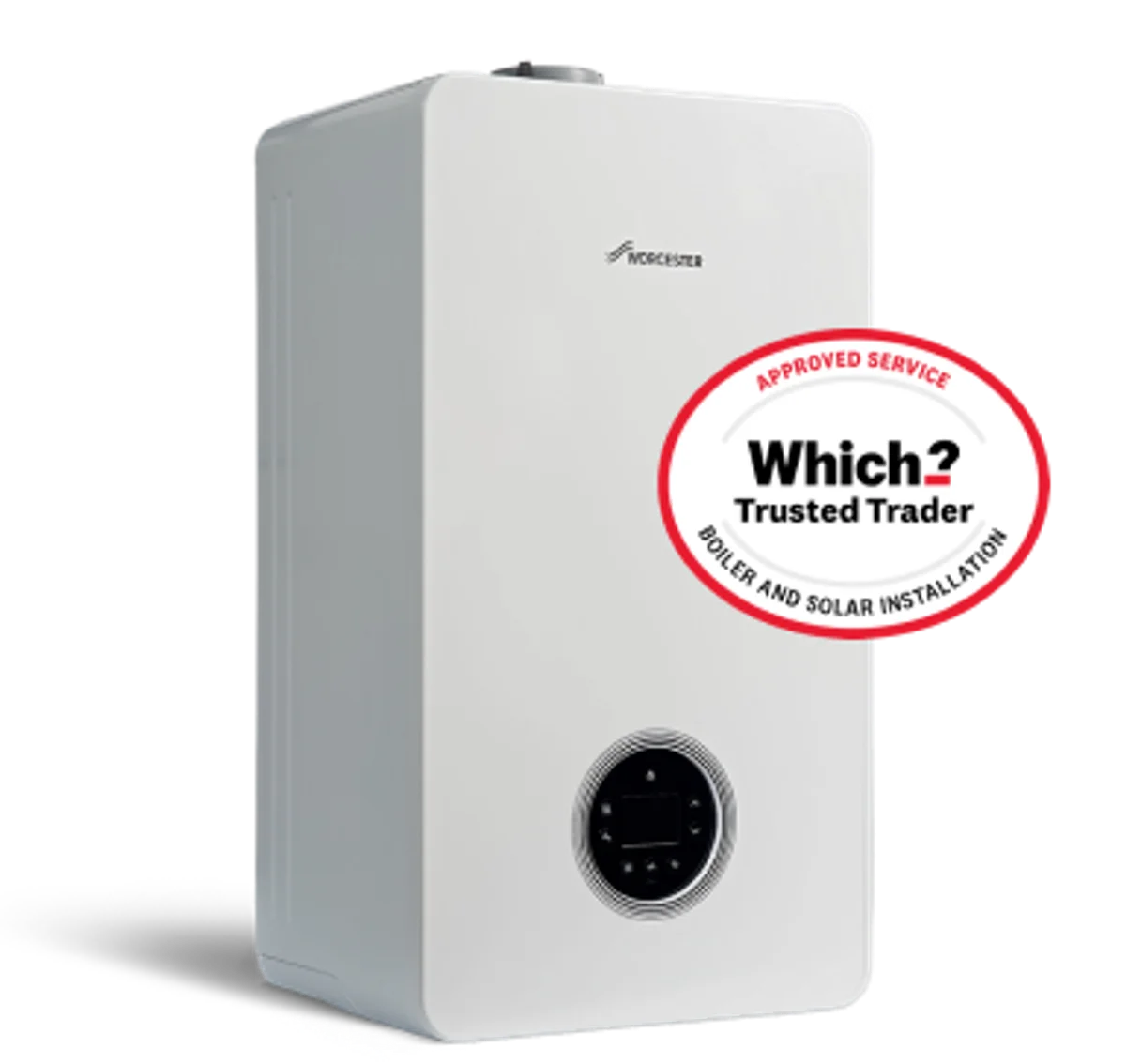
A combi boiler is a compact unit designed to provide both heating and hot water. It draws water directly from the mains and heats it on demand whenever a tap or shower is activated, eliminating the need for a separate hot water cylinder.
Combi boilers can offer cost-effectiveness since there’s no requirement to pre-heat water.
On the other hand, system boilers also draw water directly from the mains. This water is then heated by a heat exchanger, which transfers energy from gas to water. The heated water is then stored in a cylinder for future use.
While system boilers don’t need a cold water tank, they do require a hot water cylinder. They are particularly suitable for larger homes with multiple bathrooms due to their ability to meet high water demand effectively.
Read Also : Different Types Of Reliable Boiler Systems Explained
Advantages of Combi Boilers:
Instant Hot Water:
Combi boilers excel at providing hot water on demand. Unlike system boilers that need to heat and store water, combi boilers instantly heat water as it’s needed.
Efficiency:
Combi boilers boast high efficiency rates, typically at least 92%. This not only reduces energy bills but also lowers your carbon footprint.
Compact Size: Ideal for homes with limited space, combi boilers are compact and can be easily installed, sometimes even within a kitchen cupboard.
Easy Installation:
Installing a combi boiler is straightforward since it doesn’t require a separate cold water tank or hot water cylinder. This saves both time and money during installation.
Read Also : 10 Important Tips Before Buying A New Boiler In 2024
While combi boilers offer numerous benefits, they may struggle to meet high water demand. Simultaneous use of multiple taps or showers can result in one of them running cold, making combi boilers less ideal for homes with more than one bathroom.
Additionally, combi boilers rely on high-pressure water from the mains. In areas with low water pressure, the water from taps may also be at a lower pressure, affecting performance.
Moreover, an aging plumbing system might not handle the high-pressure water flow from a combi boiler. Upgrading pipes may be necessary before installing a combi boiler in such cases.
Space Saving:
System boilers eliminate the need for a cold water tank, saving valuable space in your home.
Suitable for Large Homes:
With the ability to provide hot water to multiple taps and showers simultaneously, system boilers are ideal for larger homes with high water demand.
Compatibility with Solar Panels:
System boilers can be integrated with solar panels, offering a sustainable way to generate power and reduce energy costs.
Instant Hot Water:
Equipped with a built-in pump, system boilers deliver hot water on demand as soon as you open a tap or shower.
Improved Efficiency:
By incorporating an electric immersion heater, system boilers can enhance efficiency and reduce reliance on gas, offering potential energy savings.
Read Also : Best Condensing Boilers | Combi Boiler Models
Read Also :System & Best Boilers In Uk Of 2024
Choosing between a combi boiler and a system boiler isn’t a straightforward decision, as each type has its own advantages and drawbacks. Your choice should be based on your specific heating requirements and the size of your home.
Although a combi boiler may offer greater efficiency, a system boiler excels at meeting high hot water demand and is particularly well-suited for larger homes. Therefore, it’s essential to carefully consider your needs before making a decision.
If you live in a flat by yourself, a combi boiler can be the perfect choice because it is both efficient and compact in size.
Even if you live in a three-bedroom house with one bathroom, a combi boiler might still be a good choice for you.
If you reside in a spacious home with multiple bathrooms, opting for a system boiler is highly recommended. System boilers are adept at fulfilling significant hot water requirements, making them an ideal choice for households with multiple bathrooms.
Read more about:
All You Need to know About Electric Boilers
Condensing VS Non-Condensing Boilers
Combi boilers are very efficient. They can show 92%-98% efficiency.
Combi boilers can use different types of fuel. They can run on gas, oil, LPG (Liquified Petroleum Gas), and electricity.
System boilers are very convenient in large homes with high demand for hot water.
Yes, they are. System boilers can reach an efficiency rate of 94%.
Mo Alwadi is Renewable Manager at Let’s Heat and a Gas Safe registered engineer (registration no. 977042), with experience in domestic heating and air conditioning. He contributes technical guidance on boiler installation, boiler replacement, heating systems, air conditioning and home energy solutions, helping UK homeowners understand their options and make informed decisions.
View all posts by Mo Alwadi →