


Boiler Pressure Too High? Causes & What to Do
Boilers

Mo Alwadi
, Gas Safe Registered Engineer
Updated:
Updated:
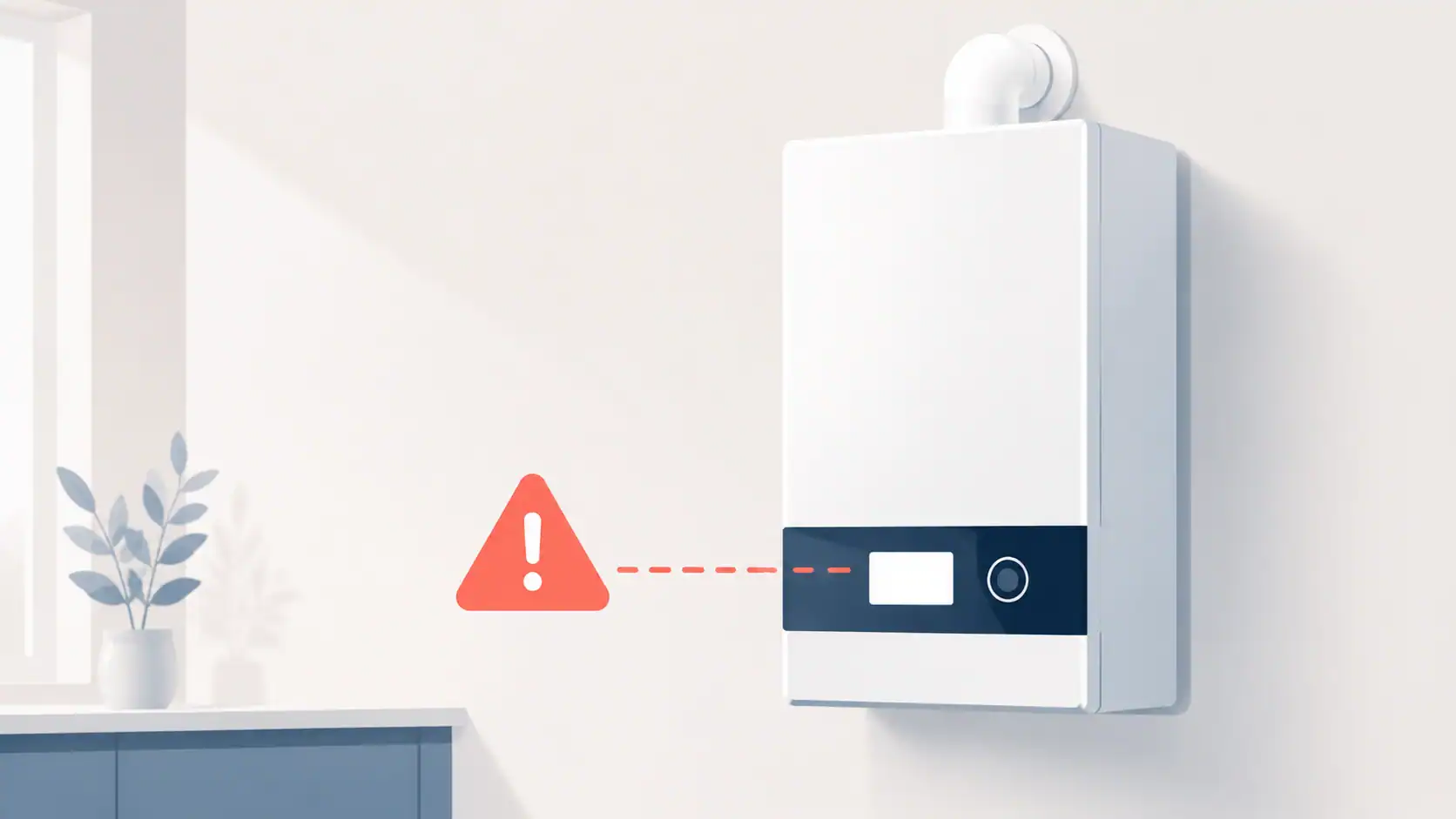
Boiler pressure too high? Some pressure increase when your heating warms up is normal, but the gauge should not continually climb towards the top of its range.
High boiler pressure can happen after accidentally overfilling the system, because a filling loop is not fully closed, or because a pressure-control component such as the expansion vessel needs attention.
The important thing is to check whether the pressure is only higher when the heating is hot or whether it stays unusually high even after the system has cooled.
Many sealed heating systems operate at around 1 to 1.5 bar when cold and rise somewhat when the heating is running.
The exact pressure range depends on your boiler, so always check the manufacturer’s instructions or markings on the pressure gauge.
Vaillant advises that many boilers operate around 1 to 2 bar and should remain below the appliance’s upper pressure limit.
For a fuller explanation, see:
Normal Boiler Pressure & Pressure Adjustment
One of the simplest causes is adding too much water when repressurising the heating system.
If you recently used the filling loop and the pressure increased immediately afterwards, this is the first thing to consider.
A common mistake is leaving the filling valves open for too long or continuing to fill the system after the correct pressure has been reached.
If the pressure was normal before repressurising and became high straight afterwards, accidental overfilling is more likely than a sudden boiler component failure.
The filling loop allows mains water into a sealed heating system when the system needs repressurising.
Once the correct pressure has been reached, the filling controls should be returned to their normal closed position.
If a filling valve is not fully closed, or if the filling device itself is allowing water through when it should not, pressure can gradually continue to rise.
Vaillant specifically lists a faulty external filling device as one possible reason for continuously increasing boiler pressure.
If you’re unsure what a filling loop looks like, see:
Boiler Filling Loop & Valve Guide
The expansion vessel helps manage the increase in water volume as the heating system warms up.
Water expands when heated. In a sealed heating system, the expansion vessel provides space for that change while helping keep system pressure under control.
If the expansion vessel is not working correctly, you may notice a pattern such as:
Worcester Bosch advises that if pressure rises by more than around 1 bar as the system heats up, the expansion vessel may require attention from a service engineer.
The expansion vessel is an internal boiler or heating-system component, so this is not a homeowner repair.
If the system has not recently been overfilled and the filling loop is correctly closed, persistent high pressure may require professional diagnosis.
An engineer may need to check the expansion vessel, filling arrangement, pressure-relief system and other components involved in controlling system pressure.
Diagnostic point: high pressure is a symptom. The pressure reading tells you something is happening, but it does not automatically tell you which component has failed.
A pressure increase while the heating warms up is normal.
As the water in the heating system becomes hotter, it expands. This causes the pressure reading to rise.
The important question is how much it rises.
For example, a system that moves from around 1.2 bar when cold to a moderately higher reading when hot may simply be operating normally.
A system that climbs dramatically towards the maximum range every time the heating runs may need investigating.
Boilers and sealed heating systems include safety controls designed to prevent excessive pressure from continuing unchecked.
One of these is the pressure relief valve, often shortened to PRV.
If pressure reaches an excessive level, the valve can release water from the system through a discharge pipe.
You may then notice:
If you have water leaking from the appliance, see:
Boiler Leaking Water? Causes & What to Do
Excessive pressure can cause the pressure-relief system to discharge water.
It can also expose weaknesses in seals, joints or other heating-system components.
However, a leaking boiler should not automatically be blamed on pressure. There are several possible causes of boiler leaks.
If both high pressure and a leak are present, tell the engineer about both symptoms.
First, allow the heating system to cool and check the pressure again.
If the pressure became high immediately after you accidentally overfilled the system, manufacturer guidance may allow you to reduce pressure by bleeding a radiator.
Only do this:
Do not remove the boiler casing or attempt to adjust the expansion vessel, pressure-relief valve or other internal components.
If the pressure rises again after you reduce it, the underlying cause needs investigating.
This pattern is particularly useful when diagnosing a heating system.
For example:
An expansion or pressure-control problem may need investigating if you see this repeated pattern.
If your main problem is pressure continually falling, see:
Why Does My Boiler Pressure Keep Dropping?
A sealed boiler system is designed with pressure controls and safety devices, so a high reading does not automatically mean the boiler is about to become dangerous.
However, persistently excessive pressure should not be ignored.
If the pressure remains high after the boiler has cooled, continually rises by itself or repeatedly causes water to discharge, arrange professional diagnosis.
If the pressure is only slightly above its normal cold range after accidentally overfilling the system, check your manufacturer’s instructions.
If the gauge is unusually high, continues rising, the boiler is leaking or you are unsure whether the system is safe to operate, switch the appliance off using its normal controls if you can do so safely and obtain professional advice.
If the system has completely cooled but the pressure remains significantly above the recommended cold range, normal thermal expansion is unlikely to explain it.
Check whether the system was recently topped up and whether the filling controls are completely closed.
If the pressure continues increasing without you adding water, the filling device or another system fault may need investigating.
Arrange professional diagnosis if:
For professional fault diagnosis, visit:
If you’re in Cardiff and your boiler pressure keeps rising, water is being discharged or the system repeatedly goes from high to low pressure, visit:
When booking, tell us:
Not necessarily. Boiler pressure normally rises as the heating warms up, and some systems may operate around this level when hot. Check the recommended range for your specific boiler.
A reading approaching 3 bar is generally towards the upper pressure limit of many domestic sealed heating systems. If the pressure is repeatedly reaching this level, allow the system to cool and arrange diagnosis if the problem continues.
A large rise when the system heats can indicate an expansion or pressure-control problem. The expansion vessel is one component an engineer may need to check.
Yes. If a filling control has not been fully closed, water can continue entering the sealed heating system and cause pressure to increase.
Yes. Releasing air and a small amount of water from a radiator can reduce system pressure. Only do this when the system is cool and follow the instructions for your heating system.
A large pressure rise while hot followed by low pressure after cooling can be associated with an expansion or pressure-relief problem and should be investigated if it keeps happening.
Let’s Heat can diagnose high boiler pressure, repeated pressure changes, leaks and pressure-related boiler lockouts.
You do not need to know which component is causing the problem before booking.
This guide has been checked against current homeowner heating guidance from Vaillant and Worcester Bosch.
Mo Alwadi is Renewable Manager at Let’s Heat and a Gas Safe registered engineer (registration no. 977042), with experience in domestic heating and air conditioning. He contributes technical guidance on boiler installation, boiler replacement, heating systems, air conditioning and home energy solutions, helping UK homeowners understand their options and make informed decisions.
View all posts by Mo Alwadi →