
Central Heating Services in Barry
Planning radiator work, updated heating controls or improvements to your existing central heating system? Let’s Heat provides central heating services across Barry and surrounding areas, including radiator replacement and relocation, heating controls, system balancing and wider heating-system alterations. Gas work is carried out by Gas Safe registered engineers.





Annual Boiler Service
Stay on top of annual servicing. Regular servicing can help meet manufacturer servicing requirements and keep your boiler properly maintained.
Boiler Repair
No heating, no hot water, or a boiler fault code? We’ll diagnose the problem and explain the repair options clearly.
Loved by homeowners
Don't just take our word for it
Real feedback from customers who have used Let’s Heat for heating and cooling services.

Boiler support for every stage
Get help with a boiler fault
Arrange professional fault diagnosis when your boiler stops working properly or your heating and hot water are affected.


Gas Safe registered engineers
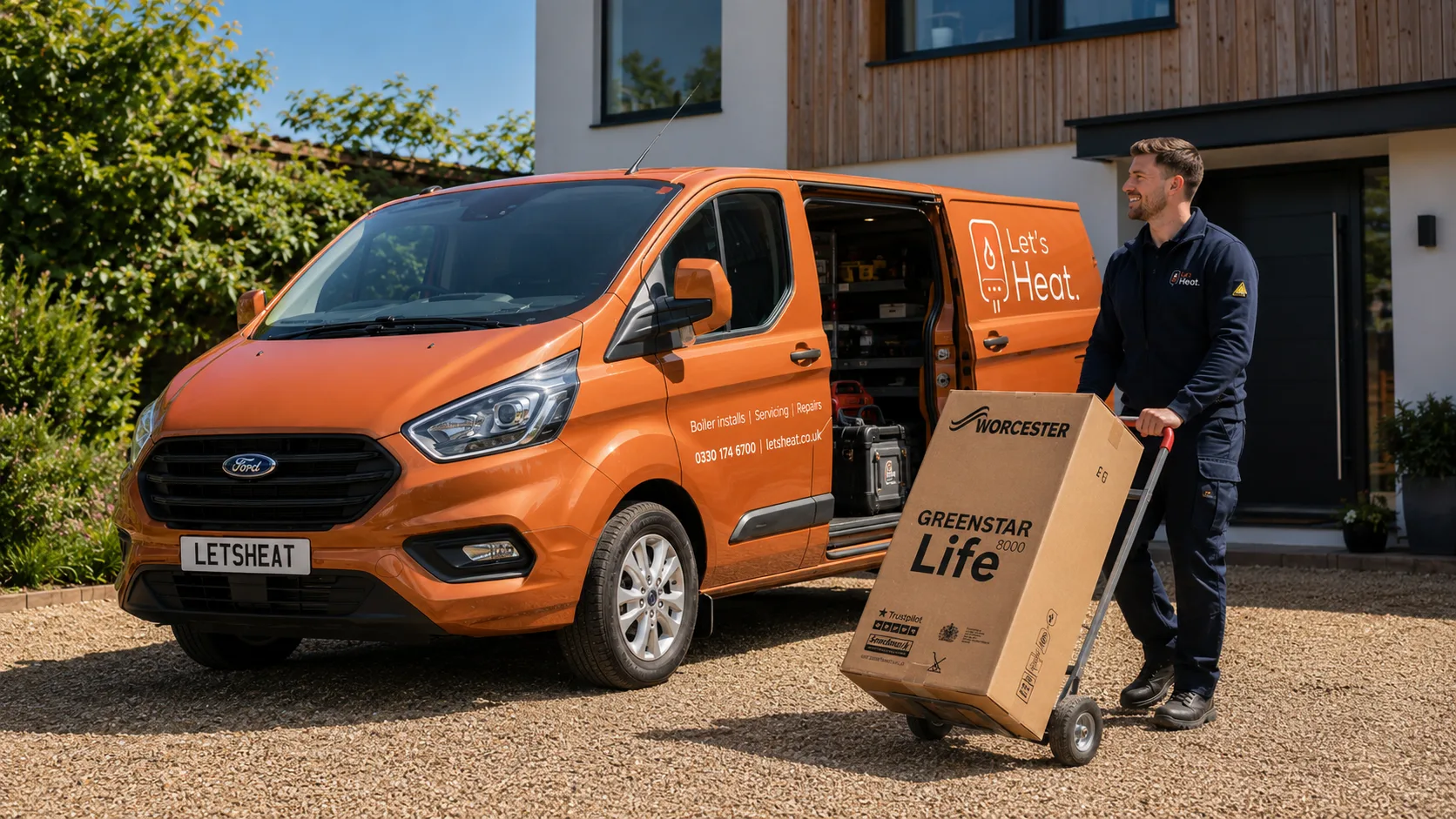
Boiler installation, servicing and repairs carried out by Gas Safe registered engineers.
Warranty and aftercare
Clear handover, warranty information and support after your new boiler installation.
Flexible boiler finance
Spread the cost of your new boiler with available finance options, subject to status and lender approval.
Rated by our customers
Read verified customer feedback across our independent review platforms.
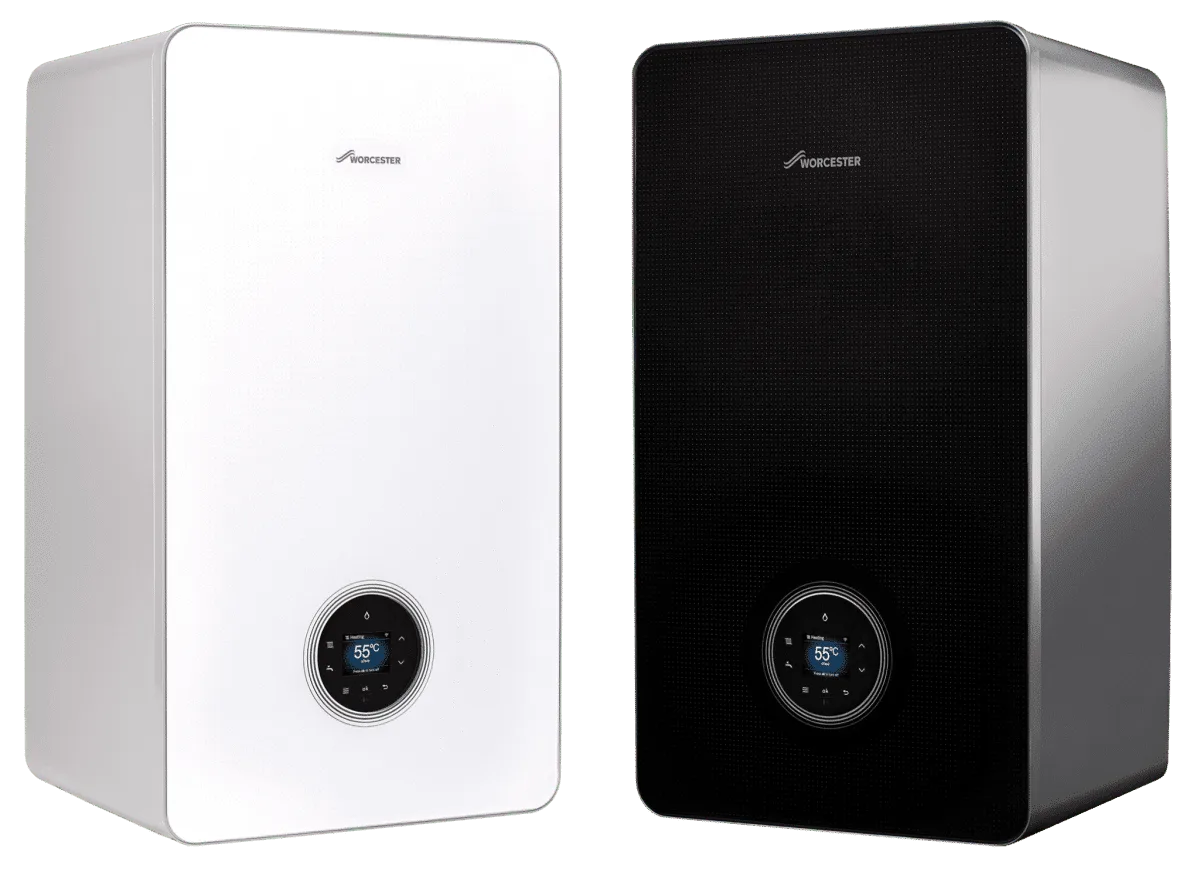
Is it time to replace your old boiler?
Explore modern boiler options for your home and get straightforward guidance on boiler type, size, controls and installation.
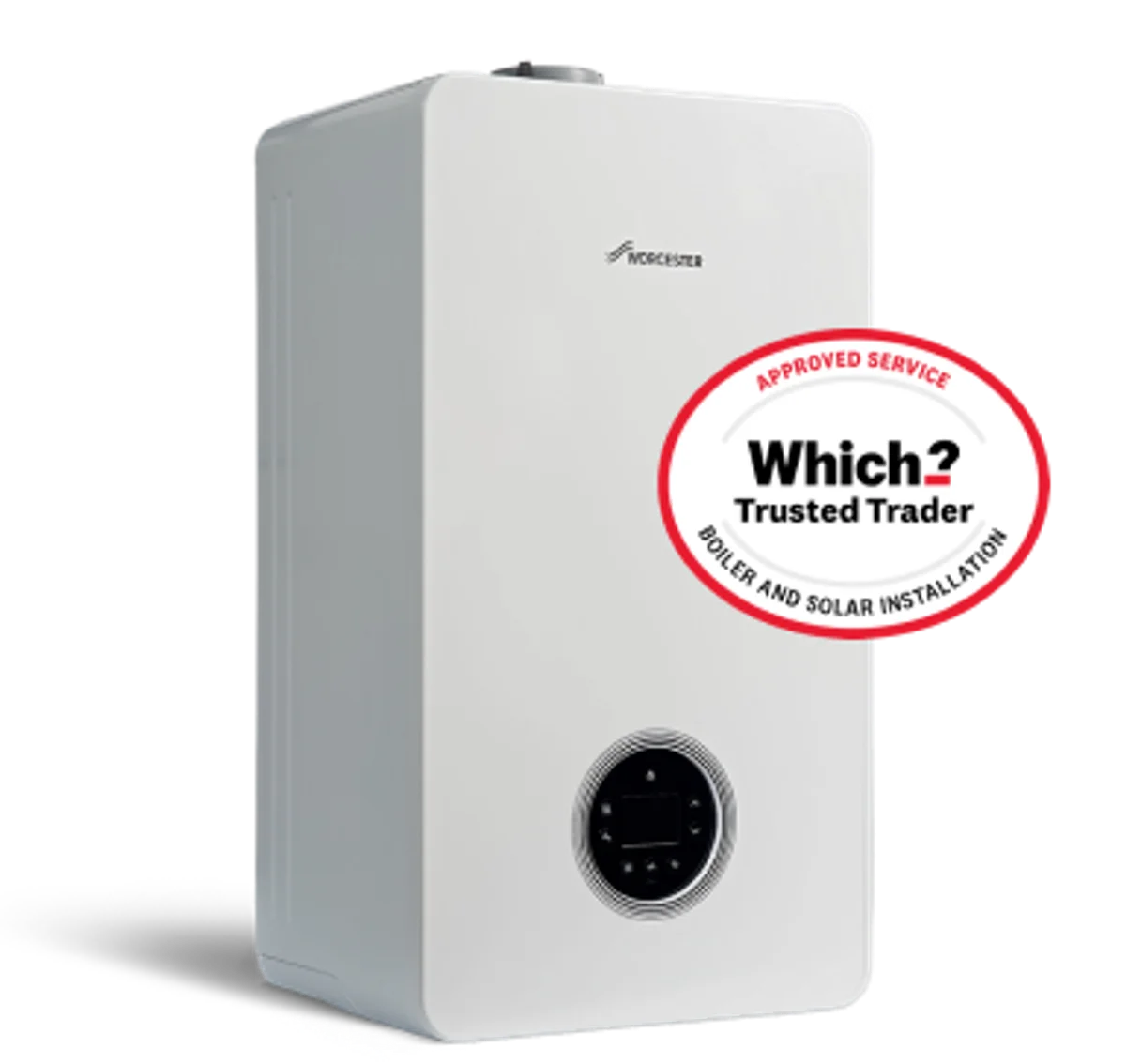
Worcester Bosch
Vaillant
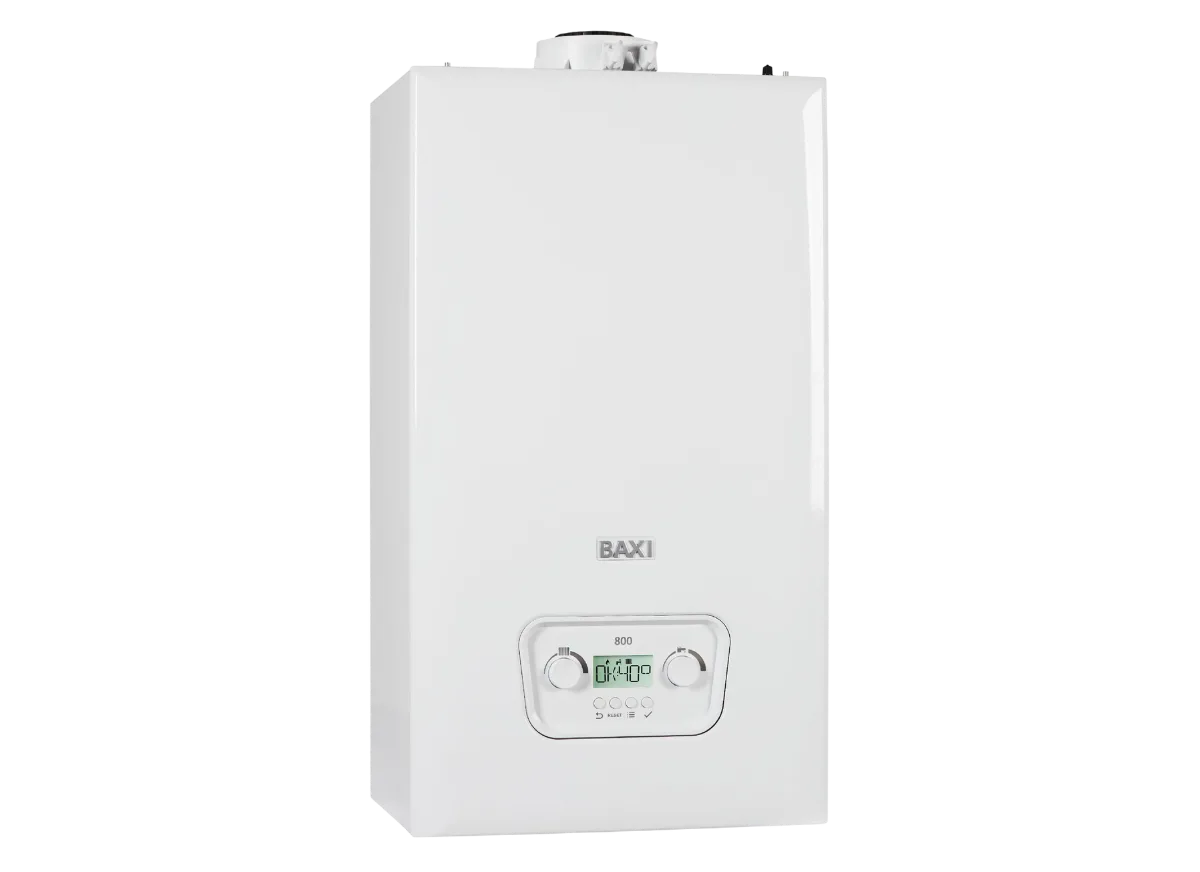
Baxi
Ideal
Viessmann
Heating, Boiler & Plumbing Services Across South Wales & Bristol
Let’s Heat provides boiler, heating and plumbing services across Cardiff, Newport, Bristol and surrounding areas. Enter your postcode when booking to check current service availability in your area.
How to Report an Issue
If you have a problem with your boiler, heating, gas or air conditioning, you can report the issue using one of the options below.
Call Us
Speak to our team about the issue and tell us what is happening. We can then advise you on the next step or arrange an appointment where appropriate.
Email Us
Send us details of the issue, including any fault codes or useful information about the appliance or system.
Report an Issue Online
Complete our online form with a few details about the problem, your property and the service you need.
Boiler help & advice
Expert guides and advice to help you make informed decisions.
-

Heating Repairs Near Me | From £120 | Let’s Heat
If your central heating has stopped working, gone cold, or started making strange noises, searching for heating repairs near me is usually the fastest way to find a qualified engineer who can get your home warm again. Whether the fault is with your boiler, a radiator, your pipework, or your heating controls, most problems can be diagnosed and fixed by a local Gas Safe registered engineer, often on the same day.In short: a heating repair typically involves an engineer visiting your property to diagnose the fault, explain what's wrong, and either fix it during the same visit or return with the correct parts. Costs usually range from around £100 for a straightforward fix to £750 or more for complex or emergency work, and any job involving a gas appliance must legally be carried out by a Gas Safe registered engineer.This guide explains what to expect from a heating repair, how much it's likely to cost, when a plumber can help and when you need a gas engineer, and what to do if you're facing a heating emergency.What Counts as a "Heating Repair"?Central heating problems fall into a few broad categories, and the right tradesperson depends on which one you're dealing with:Boiler faults – no heat, no hot water, error codes, leaks, banging or gurgling noises, low or high pressure.Radiator problems – cold spots, radiators that won't heat up, leaks from valves or pipework.Heating controls – thermostats, programmers, and smart heating systems not responding correctly.System-wide issues – heating that runs but never gets warm, uneven heat across the property, or a system that keeps losing pressure.Heat pump faults – for the growing number of homes with air source heat pumps, similar symptoms (no heat, error codes, unusual noise) but different diagnostic and repair processes.Because these issues can have overlapping symptoms, a proper diagnosis from a qualified engineer is the only reliable way to confirm the cause before any repair work begins.Can a Plumber Fix Central Heating?A general plumber can carry out some central heating work, such as bleeding radiators, replacing a radiator valve, or fixing a non-gas leak in the pipework. However, any work on a gas boiler or gas-fired heating appliance must be carried out by an engineer who is Gas Safe registered. This is a legal requirement in Great Britain, not just good practice, because unsafe gas work can lead to fires, explosions, or carbon monoxide poisoning.In practice, most heating engineers who advertise boiler and central heating repairs are also Gas Safe registered plumbers, so they can handle both the gas and non-gas elements of a repair in a single visit. When booking, it's reasonable to ask:Are you Gas Safe registered, and can I see your ID card?Does your registration cover the type of appliance I have (for example, domestic gas boilers)?Do you have experience with my boiler's make and model?You can check an engineer's Gas Safe registration and the types of work they're qualified for using the official Gas Safe Register before any gas work begins.How Much Do Boiler and Heating Repairs Cost?Exact prices depend on the fault, the parts required, your boiler's make and model, and whether the work is urgent. As a general guide for the UK in 2026:Type of repair Typical price rangeStandard boiler repair (parts and labour) £120–£500Average boiler repair Around £300Emergency or out-of-hours call-out £225–£675Simple radiator or valve repair Often at the lower end of the standard rangeMajor component replacement (e.g. heat exchanger, PCB) Toward the upper end, sometimes £500+These figures are typical UK price guides, not fixed quotes. The only way to get an accurate price for your specific fault is a property-specific assessment or quotation, since the final cost depends on your boiler type, the parts needed, and how accessible your system is. What Affects the Price of a Heating RepairThe type of fault – a reset or minor part replacement costs far less than a major component failure.Boiler age and model – parts for older or less common boilers can be harder to source and more expensive.Urgency – emergency and out-of-hours call-outs typically cost more than a scheduled weekday appointment.Access – boilers in awkward locations, such as tight lofts or airing cupboards, can take longer to work on.Parts availability – some repairs need a part ordered in, which affects both cost and timescale.If you're facing a growing pattern of repairs, or your boiler is more than 10–15 years old, it's worth asking your engineer whether continued repair still makes financial sense compared with replacement, since repeated call-outs can eventually add up to more than a new boiler installation.heating repairs near meHow to Find Emergency Heat Pump Repair Near YouAir source heat pumps are becoming increasingly common in UK homes, and while they're generally reliable, they can develop faults just like a boiler: no heat output, error codes on the control unit, unusual noise from the outdoor unit, or a system that isn't reaching the set temperature.Because heat pumps use different refrigerants, controls, and electrical components to a gas boiler, not every heating engineer is trained to work on them. When looking for emergency heat pump repair:Confirm heat pump experience specifically – ask whether the engineer regularly services and repairs heat pumps, not just gas boilers.Check for F-Gas qualifications – work on the refrigerant circuit legally requires F-Gas certification.Ask about manufacturer training – heat pump brands often require specific training for warranty-compliant repairs.Clarify response times – emergency heat pump call-outs may have different availability to standard boiler repairs, particularly outside of daytime hours.If your heat pump has stopped completely in cold weather, most manufacturers recommend checking that the outdoor unit isn't blocked by snow, ice, or debris, and that the system hasn't simply lost power, before assuming a major fault. Anything beyond that should be left to a qualified engineer.Who Repairs Both Heating and Cooling Systems Near You?If your property has both a heating system and air conditioning, or you're considering adding air conditioning alongside your existing heating, it's often more convenient to use a company that covers both rather than booking separate specialists.Heating and cooling systems that combine into one call-out typically include:Gas and oil boilers, central heating systems, and radiators.Air source heat pumps, which can provide both heating and, in some systems, cooling.Split and multi-split air conditioning systems for homes, home offices, and small commercial premises.When choosing a combined heating and cooling provider, check that engineers hold the relevant qualifications for each system type: Gas Safe registration for gas work, and F-Gas certification for any air conditioning or heat pump work involving refrigerant. A company that genuinely covers both should be able to explain which of their engineers are qualified for each type of job, rather than treating heating and cooling as interchangeable.Signs You Need a Heating RepairBook an engineer promptly if you notice:No heating or hot water, or intermittent heating that keeps switching off.Unusual noises from the boiler or pipework, such as banging, gurgling, or whistling.A boiler pressure gauge reading significantly outside the normal range (usually 1–2 bar when cold, but check your manual).Visible leaks around the boiler, radiators, or pipework.An error code displayed on the boiler.Radiators that are cold at the top, cold at the bottom, or cold in patches.A carbon monoxide alarm sounding, or a persistent smell of gas.Safety note: if you smell gas, suspect a gas leak, or your carbon monoxide alarm activates, leave the property, avoid using electrical switches or naked flames, and contact the National Gas Emergency Service on 0800 111 999 immediately. Do not attempt to investigate the boiler or gas supply yourself, and do not simply keep resetting the boiler as a way of ignoring a genuine fault, since this can mask a more serious safety issue.What Happens During a Heating Repair VisitA typical repair appointment follows a similar pattern regardless of the fault:Diagnosis – the engineer inspects the system, checks pressure, error codes, and relevant components to identify the cause.Explanation – you should be told what's wrong, in plain terms, along with the options for fixing it.Repair or quote for parts – straightforward faults are often fixed on the same visit; jobs needing an ordered part will usually need a follow-up appointment.Safety checks – for gas appliances, the engineer will check that the boiler is operating safely before leaving, including flue and ventilation checks where relevant.Handover – you should receive a summary of the work carried out, and for gas work, this may be recorded as part of your boiler's service history.Most straightforward repairs are completed within one to two hours, though jobs requiring ordered parts may need a return visit.Repair or Replace? Making the Right DecisionNot every fault means you need a new boiler, and in many cases repair is the simpler and cheaper option. However, replacement is usually the better long-term choice when:The boiler is more than 10–15 years old and increasingly unreliable.Repairs have become frequent, with costs adding up over a short period.Parts for your specific model are becoming hard to source.Your current boiler is significantly undersized or oversized for your property's hot water and heating demand.You're looking to improve energy efficiency and reduce running costs.A qualified engineer should be able to talk you through the trade-offs during a repair visit, rather than automatically recommending replacement. If replacement does make sense, a proper property assessment will look at your household size, number of bathrooms, hot water demand, and existing pipework before recommending a combi, system, or regular boiler.Annual Servicing and Why It MattersMany heating faults can be reduced, though not entirely prevented, by having your boiler serviced annually. A service typically includes checks on the burner, heat exchanger, flue, and safety devices, along with a general inspection for leaks, corrosion, and correct operation. Regular servicing also helps keep your manufacturer's warranty valid, since many warranties require proof of annual servicing by a qualified engineer.If you're a landlord, an annual gas safety check (leading to a Landlord Gas Safety Record) is a legal requirement for any rented property with gas appliances, separate from a full boiler service, though the two are often carried out together.Heating Repairs Across South Wales and the South WestHomes across Cardiff, Newport, Bristol, Barry, Caerphilly, Penarth, Pontypridd, Bridgend, Cwmbran, Chepstow, Weston-super-Mare, Portishead, Clevedon, Swansea, Merthyr Tydfil, Llantrisant, Dinas Powys, Taff's Well, Rhoose, and Caldicot cover a wide mix of property types, from Victorian terraces with older, harder-to-access pipework to newer estate housing with combi boilers fitted in kitchen cupboards. This affects both the type of faults that tend to occur and how quickly they can be resolved: older properties in areas like central Cardiff or Newport are more likely to need bespoke pipework solutions, while newer developments around places like Llantrisant or Cwmbran tend to have more standardised systems that are quicker to diagnose.If you're searching for heating repairs near you across South Wales, Bristol, or the surrounding areas, Let's Heat provides boiler and central heating repairs carried out by Gas Safe registered engineers. Get in touch to describe the fault you're experiencing and arrange a visit.Frequently Asked QuestionsHow much do heating repairs near me typically cost? Most standard boiler and heating repairs in the UK cost between £120 and £500, with an average of around £300 including parts and labour. Emergency or out-of-hours callouts tend to cost more, often in the £225–£675 range. The exact price depends on the fault and your specific boiler, so a property-specific quote is the only way to get an accurate figure.Can a plumber fix central heating, or do I need a gas engineer? A plumber can carry out some central heating work, such as bleeding radiators or fixing a non-gas leak. However, any work on a gas boiler or gas heating appliance must legally be carried out by a Gas Safe registered engineer, so it's worth checking registration before booking.How quickly can someone come out for an emergency heating repair? Response times vary by company and location, and can also depend on demand during colder months. If you have no heating or hot water, mention this when booking so the company can prioritise the visit appropriately.What's the difference between a boiler service and a boiler repair? A service is a routine annual check to confirm your boiler is operating safely and efficiently, while a repair addresses a specific fault, such as no heat, a leak, or an error code. Many warranties require annual servicing regardless of whether repairs have been needed.My boiler keeps losing pressure – is this a DIY fix? Topping up boiler pressure using the filling loop is something many homeowners can do safely by following their boiler manual. However, if pressure keeps dropping repeatedly, this usually indicates an underlying leak or fault that needs an engineer to diagnose properly.Is it worth getting emergency heat pump repair, or should I wait for a standard appointment? If your heat pump has stopped working entirely in cold weather, it's worth requesting an emergency visit, particularly for vulnerable households. Not all heating engineers are trained on heat pumps specifically, so check for relevant experience and F-Gas qualifications when booking.Do I need to replace my boiler if it needs repairing? Not usually. Many common boiler faults are repairable without replacement. Replacement tends to make more sense when a boiler is old, repairs are becoming frequent, or parts are difficult to source, and a good engineer should explain the reasoning rather than automatically recommending a new boiler. What should I check before calling an engineer for a "no heating" fault? Safe homeowner checks include confirming the thermostat is set correctly, checking the boiler isn't showing a low-pressure warning, and checking that any timer or programmer settings haven't been changed. Anything beyond these basic checks, particularly involving the boiler's internal components, should be left to a qualified engineer.Who repairs both heating and cooling systems, such as boilers and air conditioning? Some heating companies cover both, employing Gas Safe registered engineers for boiler and central heating work alongside F-Gas certified engineers for air conditioning and heat pumps. When booking, ask which qualifications apply to your specific job, since gas and refrigerant work each require different certifications. What happens if my boiler is under warranty and it breaks down? If your boiler is still under manufacturer warranty, repairs may be covered, but many warranties are conditional on annual servicing by a qualified engineer and correct installation. Check your warranty documentation, or contact the manufacturer, before arranging independent repairs to avoid invalidating the cover. Do landlords have specific responsibilities for heating repairs? Landlords are legally required to arrange an annual gas safety check on rented properties with gas appliances, carried out by a Gas Safe registered engineer, and to keep the property's heating system in good working order. Repairs should be arranged promptly once a tenant reports a fault.If your heating has broken down or you're noticing early warning signs of a fault, Let's Heat can arrange a visit from a Gas Safe registered engineer to diagnose the problem and give you a clear, fixed quote before any work begins. Get in touch to book a boiler repair or request an emergency callout.
-
Best Combi Boilers 2026: 5 Top UK Models Compared
Looking for the best combi boilers in 2026? Worcester Bosch, Vaillant, Viessmann, Ideal and Baxi all have current models worth considering, but there is no single combi boiler that is right for every home.What I would normally check first is the property rather than the badge on the boiler. Hot-water demand, incoming mains-water flow, heat loss, number of bathrooms and available installation space all affect which combi actually makes sense.If you are not sure whether a combi is the right type of boiler for your home, start with our new boiler guide before comparing individual models.Quick AnswerFor many small and medium-sized UK homes with one main bathroom, the Worcester Bosch Greenstar 4000 is our best all-round combi boiler choice for 2026.The Vaillant ecoTEC plus is a strong premium alternative, while the Viessmann Vitodens 050-W, Ideal Vogue MAX Combi and Baxi 800 Combi 2 each stand out for different reasons. The right choice still depends on your home's heating requirement, water flow and hot-water demand.🔑 Key PointsWorcester Bosch Greenstar 4000 is our best balanced all-round choice for many one-bathroom homes.Vaillant ecoTEC plus is a strong premium alternative with smart-control options and a broad range.Viessmann Vitodens 050-W is compact and available in several useful combi outputs.Ideal Vogue MAX Combi offers a long warranty and a supplied system filter.Baxi 800 Combi 2 includes a magnetic system filter and practical EasyFill feature.A bigger kW number does not automatically mean a better boiler.A combi should only be selected after checking the incoming water supply and actual hot-water demand.Best Combi Boilers 2026: Quick ComparisonCombi boiler Our view Current outputs Warranty / guaranteeWorcester Bosch Greenstar 4000 Best all-rounder 25kW and 30kW 7 years standard; qualifying options up to 10 yearsVaillant ecoTEC plus Best premium option Multiple current combi outputs 5 years standard; qualifying options up to 10 yearsViessmann Vitodens 050-W Best compact option 25kW, 30kW and 35kW 7-year standard warranty when correctly registered; 10-year upgrade availableIdeal Vogue MAX Combi Best for a long warranty 26kW, 32kW and 40kW 10 years standard when correctly registered; qualifying options up to 12 yearsBaxi 800 Combi 2 Best practical package 24kW, 30kW and 36kW 10-year parts and labour warranty, subject to conditionsThis is not a laboratory reliability ranking. There is no complete public dataset comparing every current boiler under exactly the same installation, water-quality, usage and servicing conditions.Our comparison looks at current specification, practical suitability, output options, controls, warranty terms and how each boiler fits different types of UK home.1. Worcester Bosch Greenstar 4000 – Best All-Round Combi BoilerFor many ordinary UK homes with one bathroom, the Worcester Bosch Greenstar 4000 is the combi I would put near the top of the shortlist.The current range is available in 25kW and 30kW combi versions. Worcester Bosch positions it for small to medium-sized homes, which is where it makes the most sense.25kW and 30kW combi modelsSuitable for many small and medium-sized homesFull-colour displayCompatible with Bosch EasyControlWide modulation range7-year standard guaranteeQualifying guarantee options up to 10 yearsWhat I like about the Greenstar 4000 is that it covers the requirements of a lot of typical properties without pushing the homeowner straight towards an unnecessarily large boiler.The 25kW version can suit lower hot-water demand, while the 30kW model gives more hot-water performance where the incoming mains supply can support it.The important limitation is the same as with any combi. If the property regularly needs several hot-water outlets running together, you should not assume a larger combi will always be the best answer.Check the current specifications directly on the Worcester Bosch Greenstar 4000 page.2. Vaillant ecoTEC plus – Best Premium Combi BoilerThe current Vaillant ecoTEC plus is one of the strongest premium alternatives if you want a well-specified boiler with smart-control options and a wider product range.One important point is that the older ecoTEC plus 825, 832, 835 and 838 generation has been replaced by Vaillant's remastered ecoTEC plus range.So if you see older comparison articles still recommending an ecoTEC plus 832 as though it is the current model, check which generation they are actually referring to.Current combi and system versions availableSmart-home connectivity through compatible Vaillant controlsModern display and control interface5-year standard guaranteeQualifying guarantee options up to 10 yearsI would consider the ecoTEC plus where the homeowner wants a premium boiler, good control integration or needs a model outside the narrower output range offered by some competitors.That still does not mean selecting the biggest version automatically. The correct boiler needs to match the home and its actual hot-water demand.See the latest information on the Vaillant ecoTEC plus page.New Boiler QuoteNot Sure Which Combi Boiler Suits Your Home?Tell us about your property, current boiler, bathrooms and hot-water use. We can help you compare suitable options rather than simply choosing the biggest boiler.Get My Boiler QuoteGas Safe registered • Let’s Heat registration no. 9770423. Viessmann Vitodens 050-W – Best Compact CombiThe Viessmann Vitodens 050-W is worth considering if you want a compact combi with a strong technical specification.The current range includes 25kW, 30kW and 35kW combi versions, as well as system boiler options.25kW, 30kW and 35kW combi versionsCompact designStainless-steel heat exchangerBuilt-in connectivity for Viessmann's ViCare systemPublished 92% ErP efficiency7-year standard warranty when correctly registered, with a 10-year upgrade optionFor a smaller home or flat, the compact dimensions can be useful where installation space is limited.The 30kW and 35kW versions provide higher domestic hot-water performance, but again, the incoming mains supply needs to be capable of delivering the water flow.You can check the latest specifications on the Viessmann Vitodens 050-W page.4. Ideal Vogue MAX Combi – Best for WarrantyThe Ideal Vogue MAX Combi is worth comparing if warranty length is high on your list of priorities.The current range is available in 26kW, 32kW and 40kW versions and includes an Ideal system filter.26kW, 32kW and 40kW modelsStainless-steel heat exchangerFull-colour displayIdeal system filter includedCompatible with Ideal Halo controls10-year parts and labour warranty when registered correctlyQualifying options up to 12 years through MAX Accredited InstallersA long warranty is useful, but I would still choose the right boiler size and specification before choosing purely from the number of warranty years.The conditions also matter. Always check the current manufacturer's registration and servicing requirements.You can check Ideal's current product information on the Ideal Heating website.5. Baxi 800 Combi 2 – Best Practical PackageThe Baxi 800 Combi 2 is a practical option with several useful features already included.It is currently available in 24kW, 30kW and 36kW versions and comes with an Adey MagnaClean Micro2 magnetic system filter.24kW, 30kW and 36kW outputs10-year parts and labour warranty, subject to conditionsAdey MagnaClean Micro2 magnetic filter includedStainless-steel heat exchangerBrass hydraulicsEasyFill system for topping up heating pressureNatural gas or LPG capabilityThe warranty conditions are particularly important with the Baxi 800 range. Baxi requires the boiler to be registered within the specified period, the Benchmark checklist completed, annual servicing carried out and the supplied magnetic filter fitted and maintained for the full warranty to remain valid.See the current details on the Baxi 800 Combi 2 page.Which Is the Best Combi Boiler for Your Home?The best combi boilers vary by property because a small flat and a four-bedroom house do not have the same heating or hot-water requirements.Small flat or one-bedroom homeA lower-output combi can often make sense where there is one bathroom and relatively modest hot-water demand.There is usually no benefit in installing a much larger combi simply because it has a higher specification on paper.Typical two or three-bedroom homeMany properties in this category with one main bathroom suit a combi well.A 25–32kW hot-water category is often where homeowners start comparing models, but the final selection should still be based on the property, water flow and actual usage rather than bedroom count alone.Four-bedroom house with one bathroomA combi can still work well if the incoming mains-water supply is good and the household does not regularly need several hot-water outlets at the same time.This is where checking the actual hot-water requirement matters more than simply counting bedrooms.Home with two bathroomsI would be more careful about automatically choosing a combi for a property where two showers or several hot-water outlets are regularly used together.A larger combi may help where the incoming water supply is strong enough, but a system boiler with a correctly sized hot-water cylinder may be a better solution for consistently high simultaneous demand.Does a Higher kW Mean a Better Combi Boiler?No.This is one of the most common mistakes when comparing combi boilers online.A higher-output combi can usually produce more hot water, but only if the incoming water supply can support it.It also does not mean the property needs that amount of power for the radiators. The heating requirement can be considerably lower than the hot-water output shown in the boiler name.Engineer’s tip: do not choose a 35kW or 40kW combi just because the larger number sounds better. Check the water flow, hot-water demand and heating requirement first.How Important Is Hot-Water Flow Rate?Very important when comparing combi boilers.A combi heats water as you use it, so its domestic hot-water performance affects how quickly water can be delivered to taps and showers.But the boiler cannot deliver more water than the incoming mains supply provides.If a property has weak incoming flow, fitting a combi with a high published flow rate does not automatically solve the problem.Which Combi Boiler Has the Best Warranty?Ideal, Baxi, Worcester Bosch, Vaillant and Viessmann all have longer warranty or guarantee options within their current ranges.But I would not compare warranties only by the headline number.Check the standard warranty length.Check whether an approved installer is needed for the longer term.Check how quickly the boiler must be registered.Check whether a magnetic filter or specific system protection is required.Check the annual servicing requirements.Check what parts and labour are actually covered.See our boiler warranty guide if warranty length is an important part of your decision.Which Is the Most Reliable Combi Boiler?I would be careful with any article that claims one current combi boiler has a proven failure rate lower than every other model.There is no complete public dataset testing all current boilers under identical conditions.A boiler's long-term reliability is also affected by factors outside the appliance itself.Correct sizingInstallation qualitySystem cleanlinessWater treatmentCorrect commissioningHeating controlsAnnual maintenanceThat is why I would rather recommend a correctly sized boiler from an established manufacturer than claim one particular model will never break down.How Much Does a Good Combi Boiler Cost?The boiler model is only one part of the installed price.A straightforward combi-for-combi replacement in the same suitable position normally costs less than relocating the boiler or converting from a regular or system boiler.The final quotation can also be affected by the flue, gas supply, condensate route, controls, magnetic filter, system cleaning and any pipework changes.For current Let’s Heat package prices and a detailed breakdown, see our new boiler cost guide.You can also compare our current new boiler options.Should You Choose a Combi at All?A good combi boiler is still the wrong boiler if a combi is not suitable for the home.A combi is often a good choice when you want heating and hot water from one appliance, do not want a separate cylinder and the property's hot-water demand and incoming mains supply are suitable.For a home with higher simultaneous hot-water demand, stored hot water may be the better option.Compare combi boilers, system boilers and regular boilers before changing the existing system just because a combi seems simpler.Our guide to the different types of boiler systems explains the differences.Boiler InstallationReady to Compare Combi Boiler Options?Tell us about your home and current heating system. We can help you compare suitable boiler options and explain what the installation would involve.Get a Boiler QuoteGas Safe registered • Let’s Heat registration no. 977042Check Who Is Installing Your Combi BoilerThe quality of the installation matters just as much as the boiler model.Gas boiler work must be carried out by a suitably qualified Gas Safe registered engineer. You can check an engineer or registered business through the Gas Safe Register.Let’s Heat operates under Gas Safe Registration No. 977042.Frequently Asked QuestionsWhat is the best combi boiler in 2026?For many small and medium-sized homes with one bathroom, our best balanced all-round choice is the Worcester Bosch Greenstar 4000. Vaillant, Viessmann, Ideal and Baxi also have strong current alternatives depending on your budget, hot-water needs and installation requirements.Which combi boiler brand is the most reliable?There is no complete public dataset proving that one current brand has the lowest failure rate in every situation. Worcester Bosch, Vaillant, Viessmann, Baxi and Ideal are all established manufacturers. Correct installation and maintenance also have a major effect on reliability.What is the best combi boiler for a 3-bedroom house?Many three-bedroom houses with one bathroom can suit a correctly sized combi. The actual choice should be based on the property's heat requirement, hot-water use and incoming mains-water performance rather than bedroom count alone.What size combi boiler do I need for a 3-bedroom house?Around the 25–32kW hot-water category is a common starting point for comparison, but that is not a substitute for checking the home's heating requirement and water flow. A larger combi is not automatically better.What is the best combi boiler for two bathrooms?If two bathrooms regularly need hot water at the same time, I would compare a higher-output combi with a system boiler and hot-water cylinder rather than automatically choosing a combi. The incoming mains supply is particularly important.Is Worcester Bosch better than Vaillant?Neither is automatically better for every property. The Worcester Bosch Greenstar 4000 is a strong balanced option for many small and medium homes, while the current Vaillant ecoTEC plus offers a broader premium range and connected-control options.Is Viessmann a good combi boiler?The Vitodens 050-W is a credible option to compare with Worcester Bosch, Vaillant, Ideal and Baxi. It offers compact dimensions, a stainless-steel heat exchanger and several useful combi outputs.Is Baxi a good combi boiler?The Baxi 800 Combi 2 is a strong practical option. It includes a magnetic system filter, EasyFill pressure top-up feature and a 10-year parts and labour warranty when the manufacturer's conditions are met.Is a 35kW combi better than a 30kW boiler?Not automatically. A larger combi can provide greater hot-water output if the incoming mains supply supports it, but the property may not need the additional output. Correct sizing matters more than simply choosing the bigger number.How long should a combi boiler last?There is no guaranteed lifespan because installation quality, system condition, use and maintenance all affect how long a boiler lasts. See our guide to how long a boiler should last for more detail.How often should a combi boiler be serviced?Follow the manufacturer's servicing requirements and warranty conditions. Annual servicing is commonly required to maintain longer warranties. See our boiler service page for current Let’s Heat servicing information.Which Combi Boiler Should You Choose?For many ordinary one-bathroom homes, the Worcester Bosch Greenstar 4000 is our best all-round choice.But the main point of this best combi boilers guide is that there is no reason for every homeowner to buy exactly the same boiler.Worcester Bosch Greenstar 4000: best balanced all-round choiceVaillant ecoTEC plus: premium alternativeViessmann Vitodens 050-W: compact and well-specified optionIdeal Vogue MAX Combi: strong choice where warranty is a priorityBaxi 800 Combi 2: practical package with useful included featuresStart with the home, water supply and hot-water demand, then compare the boilers that actually fit those requirements.You can compare our current new boiler options, read our new boiler guide or get a new boiler quote.